Hey there! I’m a supplier of Titanium Cannulated Bars, and today I wanna chat about how temperature can mess with the performance of these bars. Titanium Cannulated Bar

First off, let’s get a bit of background on Titanium Cannulated Bars. They’re super useful in a bunch of industries. In the medical field, they’re used for orthopedic surgeries to help fix broken bones. In aerospace, they’re part of the structures that keep planes and spacecraft in one piece. And in sports equipment, they can be found in high – end bicycles and golf clubs.
Now, when it comes to temperature, it can have some pretty significant effects on these bars.
Low – Temperature Effects
When the temperature drops, things start to change for Titanium Cannulated Bars. Titanium is known for its good strength – to – weight ratio, but at low temperatures, its mechanical properties can shift.
One of the main changes is in the brittleness of the titanium. As the temperature goes down, titanium can become more brittle. You know, normally, these bars can bend a bit without breaking, but in cold conditions, they’re more likely to crack. This is bad news, especially in applications where the bars need to withstand a certain amount of stress.
For example, in aerospace, where these bars might be part of the landing gear or some other critical component, low temperatures can increase the risk of failure. If a crack forms due to the increased brittleness, it could lead to a major problem during flight.
Low temperatures can also affect the fatigue life of the bars. Fatigue is when a material weakens over time due to repeated stress. In cold temperatures, the ability of the titanium to handle this repeated stress is reduced. So, if a bar is used in a machine that’s constantly in motion, like a piece of industrial equipment, it will wear out faster in cold weather than in normal conditions.
High – Temperature Effects
On the other end of the spectrum, high temperatures also bring their own set of issues. When titanium is exposed to high heat, oxidation becomes a big problem. Oxidation is when the titanium reacts with oxygen in the air, and it forms a layer of titanium oxide on the surface of the bar.
This oxide layer can be both good and bad. In some cases, it can act as a protective barrier, preventing further oxidation. But if the temperature gets too high, the oxide layer can start to break down, and the oxidation process can get out of control. This can lead to a reduction in the strength of the bar.
Another issue at high temperatures is creep. Creep is when a material slowly deforms over time under a constant load. Titanium Cannulated Bars are no exception. At high temperatures, the atoms in the titanium start to move around more easily, and if there’s a load on the bar, it will start to stretch and deform.
In industrial applications, like in power plants where these bars might be used in high – temperature machinery, creep can be a real headache. If a bar deforms, it can throw off the whole operation of the machine, and it might need to be replaced.
Applications and Temperature Considerations
Let’s look at how these temperature effects play out in different applications.
In the medical industry, temperature is usually not a huge concern in the traditional sense. These bars are implanted in the human body, where the temperature is relatively stable at around 37°C (98.6°F). But there are still some situations where temperature can come into play. For example, during sterilization processes, the bars are exposed to high temperatures. If the sterilization temperature is too high for too long, it can affect the strength and integrity of the bar.
In aerospace, the temperature can vary widely. When a plane is flying at high altitudes, the outside temperature can be extremely low, sometimes as low as – 50°C (- 58°F). And when the engines are running, parts of the aircraft can be exposed to very high temperatures. So, the Titanium Cannulated Bars used in aerospace need to be carefully designed to withstand these extreme temperature variations.
In sports equipment, temperature effects might not be as critical, but they still matter. In cold weather, a golf club or a bicycle frame made with Titanium Cannulated Bars might be a bit stiffer and less forgiving. And in hot weather, there’s a small risk of oxidation and creep over time, which could affect the performance and lifespan of the equipment.
How We Mitigate Temperature Effects
As a supplier, we’ve got a few tricks up our sleeves to deal with these temperature issues.
For low – temperature applications, we can use special heat treatments on the Titanium Cannulated Bars. These heat treatments can change the microstructure of the titanium, making it more ductile and less brittle at low temperatures. We can also add some alloying elements to the titanium. For example, adding small amounts of aluminum and vanadium can improve the low – temperature properties of the bars.
When it comes to high – temperature applications, we can coat the bars with materials that are resistant to oxidation. Ceramic coatings are a popular choice because they can withstand high temperatures and prevent oxygen from reaching the titanium surface. We can also design the bars in a way that reduces the stress on them, which can help minimize the effects of creep.
Conclusion
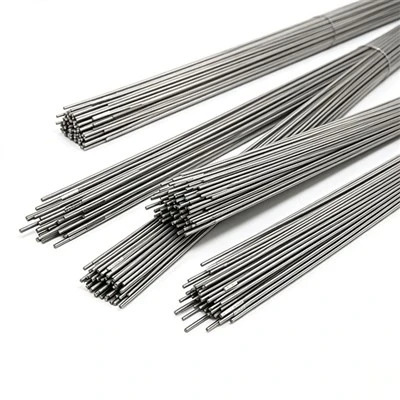
So, as you can see, temperature has a big impact on the performance of Titanium Cannulated Bars. Whether it’s the cold making the bars brittle or the heat causing oxidation and creep, it’s something that we need to take seriously.
Titanium Rod If you’re in an industry that uses Titanium Cannulated Bars and you’re worried about how temperature might affect them, don’t hesitate to reach out. We’re here to help you find the right solutions for your specific needs. Whether it’s heat – treated bars for cold environments or coated bars for high – temperature applications, we’ve got the expertise to provide you with the best products. Let’s start a conversation about your requirements and see how we can work together.
References
- ASM Handbook Volume 2: Properties and Selection: Non – Ferrous Alloys and Special – Purpose Materials
- Titanium and Titanium Alloys: Fundamentals and Applications by David Eylon
Shaanxi Mingtai Dingsheng Metal Material Co., Ltd.
As one of the most professional titanium cannulated bar manufacturers and suppliers in China, we’re featured by quality products and good price. Please rest assured to buy premium titanium cannulated bar for sale here and get free sample from our factory. We also accept customized orders.
Address: Room 103, Building 53, Gaoyi Industrial Park, Baqiu Town, Gaoxin Development Zone, Baoji City, Shaanxi Province
E-mail: shawn@mt-titanium.com
WebSite: https://www.medical-titanium.com/
