Hey everyone, Aluminum Formwork Machinery

I’m Jake, and if you’ve been in the construction equipment space for more than five minutes, you know aluminum formwork machinery is a game-changer. It’s lightweight, durable, and cuts down on build times in a way old steel formwork just can’t. But here’s the thing I see contractors and even some logistics teams miss all the time: transporting this machinery safely isn’t just about getting it from point A to point B—it’s about protecting a $50k+ investment, keeping your site on schedule, and making sure no one gets hurt along the way.
For the past seven years, I’ve run a small but tight-knit operation that supplies aluminum formwork machinery across North America. I’ve sat in the driver’s seat of flatbeds hauling 20-foot trusses, spent nights on phone calls with drivers panicking because a frame shifted mid-highway, and even had to file a claim for a machine that got damaged because we skipped a simple pre-transport check. That experience isn’t just part of my job—it’s why every machine we leave our yard with has a 17-point transport checklist attached. Today, I’m pulling back the curtain on what actually works for moving this gear, no fancy industry jargon, just real lessons I’ve learned the hard way.
First, let’s talk about why aluminum formwork transport is different from moving other construction equipment. Sure, it’s lighter than steel, but that doesn’t mean it’s flimsy. The key parts—like the hydraulic jacks, the adjustable alignment pins, and the precision-machined form panels—are designed to lock together on a jobsite, not bounce around for 8 hours on a gravel road. Last year, I had a first-time customer in Texas tell me his driver strapped a set of 12-foot form panels with two ratchet straps, drove 3 hours, and arrived to find six panels scraped so bad they wouldn’t fit together anymore. The worst part? He couldn’t use them for his upcoming condo project, and lost his $120k deposit on the job. That’s avoidable, but only if you understand the unique needs of this specific machinery.
Let’s start with the non-negotiable pre-transport steps, because you can’t correct damage that’s already happened before you even hit the road. Most people skip the equipment inspection, but it’s the foundation of safe transport. Before we touch a strap, our team goes through every machine: we check that all loose components—like removable form braces, hydraulic hose caps, and hand tools tucked in the storage bins—are locked down or removed. I once saw a driver leave a jack handle attached to a panel; it flew off at 65 mph, bounced off a pickup, and totaled both vehicles. No joke, that incident still makes me nervous. We also check the weight distribution, because aluminum formwork isn’t uniform. A full set of wall panels will weigh more on one side than a set of floor trusses, and if you load them wrong, you risk a rollover or uneven tire wear that can cause a blowout miles down the line. For our larger equipment, we use a forklift with a scale attachment to make sure we hit the legal weight limits for flatbeds—most states cap at 80,000 pounds total, and we never push that, even if the customer says “it’s fine.”
Next up, choosing the right carrier is half the battle. I’ve heard horror stories of contractors using a general construction hauler who’d never touched aluminum formwork before, and they’d show up with a beat-up flatbed that had rusted edges or no side rails. For our customers, we only work with carriers that have a proven track record in hauling specialty construction metal equipment, and we make them sign a transport addendum that outlines our specific requirements. The addendum isn’t just fine print—it says they have to use a flatbed with at least 4-inch high wooden side rails, no mesh decks, and that they have to assign a driver who has at least three years of hauling heavy construction loads. Last quarter, we had a carrier try to cut corners and use a step deck for a 30-foot panel set; our team caught it before they left, because our transport checklist includes a line item on trailer compatibility. The step deck’s raised corners would have dug into the aluminum panels, leaving gouges that would have cost our customer thousands in repairs.
Once you’ve got the right equipment and the right team, it’s time to secure the load—and this is where 90% of mistakes happen. I’ve seen people use just two ratchet straps for a whole load, or use straps that are frayed, or hook them to the wrong parts of the machinery. Aluminum formwork has specific lifting points—those reinforced holes in the corners of panels, the metal brackets on trusses—that are designed to take weight. If you hook a strap to a thin edge of a panel, you’ll bend it, and even a small bend can throw off the alignment when it’s time to assemble on-site.
For smaller loads—say, a set of 10 wall panels and a couple of jacks—we use four heavy-duty ratchet straps, each rated for at least 10,000 pounds. We cross them over the top of the load, not just run them straight down, because cross-weaving creates tension that keeps everything from shifting. For larger loads, like a full floor system with 25+ panels and support frames, we add edge protectors between the straps and the aluminum. Edge protectors are just thick rubber or foam pads that keep the metal from rubbing against the straps or the trailer, and they’re $10 each—worth every penny. We also never use chains to secure aluminum formwork, because chains have sharp links that can scratch or puncture the metal, and they leave deep gouges that are impossible to fix without reworking the panel.
And let’s not forget the “in-transport” checks, because even the best-strapped load can come loose if you drive too rough. We always tell our drivers to do a load check every 50 miles, or every time they stop for fuel. On long hauls, we even have customers who track the driver’s location via a shared app, and we’ll check in mid-route to make sure everything is okay. Last spring, a driver was hauling a set of formwork to a job in Colorado, and he called me at a rest stop 60 miles from our yard saying a strap had come loose. We told him to adjust it immediately, and he noticed a small fray in the strap that would have snapped if he’d driven another 30 miles. That’s the kind of thing you can’t plan for, but regular checks catch it.
Weather is another factor that’s often overlooked, especially if you’re hauling in extreme conditions. Aluminum is water-resistant, but that doesn’t mean harsh weather is harmless. If you’re hauling heavy rain, water can seep into the hydraulic cylinders and cause rust, which will make the jacks seize up when you get to the job site. We always cover the load with a heavy-duty tarpaulin that’s vented—no tight, plastic tarps, because they trap moisture. For hauls in high winds, like the plains states or mountain passes, we reduce the speed by 5 to 10 mph, because wind can push the load and make straps go slack. I’ve had a driver tell me he tried to beat a wind gust in Wyoming, and a 20-foot panel shifted enough to scrape the side of the trailer—if he’d slowed down, that wouldn’t have happened.
Wait, let’s talk about something specific to our industry: communication with the customer. I can’t tell you how many times a customer has assumed the transport is the carrier’s problem, but it’s a team effort. Before a load leaves our yard, we send the customer a detailed transport guide that has everything: the driver’s name and contact info, the estimated delivery time, the weight of the load, and a note about how to inspect the equipment when it arrives. We tell them to do a full walkaround as soon as the trailer is unhooked, not after the driver has left, because if there’s damage, you can point it out right away. Last year, a customer in Ohio called our driver right after he dropped off the load and noticed a small scratch on one panel—turns out the customer had a old set of tools in the back of his pickup that had scratched it while unloading. That’s easy to catch if you check immediately.
I also want to address the elephant in the room: budget. I know some contractors see our transport process and think “that’s way too much work, why not just cut corners?” But here’s the math: a new aluminum formwork panel costs about $1,200 each. If you scratch or bend one, you’re looking at $500 to repair it, and that’s if you’re lucky. If it’s too damaged to repair, you have to replace it, and that delays your whole project. Last year, we had a customer who saved $80 on transport by using a cheaper carrier, and ended up with $12,000 in damaged panels. That’s $80 for $12,000—hardly a savings. Our transport process adds about 2% to the total cost of the machinery, but it saves our customers thousands in repairs and delays.
Now, I get that every job is different. Some customers need a small load of panels for a 10-unit apartment, others need a full set for a 20-story building. That’s why we tailor every transport plan to the load size and the delivery location. For short hauls within 100 miles, we use a local driver we’ve worked with for years, and we do a quick visual check before they leave. For long hauls across the country, we use a carrier that specializes in heavy construction, and we follow our full 17-point checklist. We also provide a full damage inspection report after delivery, so our customers have peace of mind that their equipment arrived safe.
I’ve been doing this long enough to know that no transport is 100% risk-free, but following these steps cuts that risk way down. I’ve seen loads arrive on time, in perfect condition, more times than I can count, and that’s what I care about—our customers being able to focus on building, not fixing damaged equipment or dealing with logistics headaches.
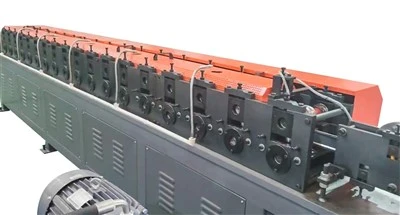
If you’re in the market for aluminum formwork machinery, or you’re looking to make sure your next transport goes smooth, I’d love to connect with you. We work with contractors, construction firms, and independent builders across the continent, and we don’t just sell you a machine—we help you figure out the best way to get it to your site safely, on time, and on budget. Just reach out, and we can chat through your specific needs, no pressure, no fine print.
Other Supporting Equipment References:
- Construction Safety Association of Ontario. (2021). Transport Guidelines for Specialty Construction Metal Equipment. Retrieved from industry safety publications
- National Association of Construction Formwork Manufacturers. (2022). Best Practices for Aluminum Formwork Handling and Transport. Retrieved from association technical resources
- Federal Motor Carrier Safety Administration. (2023). Load Securement Requirements for Heavy Construction Equipment. Retrieved from FMCSA official guidelines
Foshan Yilaite Machinery Equipment Co., Ltd.
Foshan Yilaite Machinery Equipment Co., Ltd. is one of the most reliable aluminum formwork machinery manufacturers and suppliers in China, featured by quality products and good service. Please rest assured to buy CE approved aluminum formwork machinery from our factory. We also accept customized orders.
Address: No.28, Guangyun Road, Shishan Town, Nanhai District, Foshan City (next to Gaobian Bus Station)
E-mail: Myway18@163.com
WebSite: https://www.yilaitemachine.com/
