If you’ve ever stood in front of a new building, run your hand over a smooth concrete sidewalk, or admired the crisp lines of a brick wall, you’ve interacted with silica in some form—whether you realized it or not. For my team, as a silica supplier, this isn’t just a casual observation; it’s the foundation of why we’ve focused on delivering consistent, high-grade silica to construction projects for over a decade. Silica (chemically silicon dioxide, SiO₂) is one of the most abundant compounds on Earth, and its unique physical and chemical properties make it irreplaceable for countless construction applications. What surprises many people is that silica isn’t just “sand”—different grades (from fine silica fume to coarse aggregate) serve very specific, critical roles that shape the safety, durability, and sustainability of the built environment. Let’s break down the key uses of silica in construction, why they matter, and how our team ensures we deliver the right grade for every project need. Silica

First, the most well-known use of silica in construction is as a core component of concrete. Concrete is often called the “workhorse of construction,” and silica is its main building block. The two primary sources of silica for concrete are natural silica sand (coarser grades) and silica fume (a finer byproduct of silicon metal production). Let’s start with natural silica sand: when mixed with cement, water, and aggregates like crushed stone, silica sand acts as a filler and fine aggregate that fills the gaps between larger aggregate particles. This tight, uniform packing reduces the amount of water needed to mix concrete, which directly boosts its strength and durability. For example, when building a 40-story office tower in downtown Chicago, the engineering team specified washed, uniformly graded silica sand to ensure the concrete mix would flow easily through the pump and set without cracking as the building settled over time. That same level of consistency is what we prioritize at our operations—we test every batch of silica sand for particle size distribution, clay content, and impurities to avoid weak spots or discoloration in finished concrete.
But silica’s real superpower in concrete comes from silica fume, a product that most construction teams rely on for high-performance applications. Silica fume is made up of tiny, spherical particles (each 100 times smaller than a grain of cement) that fill the micro-pores in concrete that cement can’t reach. This process, called “pozzolanic reaction,” means the silica fume reacts with calcium hydroxide (a byproduct of cement hydration) to form extra calcium silicate hydrate, the compound that binds concrete particles together. The result is concrete that’s 20-30% stronger, more resistant to water penetration, and less prone to alkali-silica reaction (ASR)—a common problem where reactive aggregates and alkalis in cement react to form gel that swells, cracking concrete from the inside out. We recently worked on a highway bridge project in the Pacific Northwest, where the concrete had to withstand freeze-thaw cycles, heavy traffic, and salt for snow removal. By replacing 10% of the cement with our low-alkali silica fume, the project team met all the required strength and durability standards, and the bridge is projected to last 75 years instead of the typical 50. That’s the kind of impact silica makes beyond just “being in concrete”—it’s a long-term investment in the structure’s lifespan.
Next, silica is a key material in mortar and grout, two products that are often overlooked but essential for structural connections. Mortar is the glue that holds bricks, blocks, and stones together, and its performance depends entirely on silica content. Fine silica sand, ground to a consistent particle size, is the standard aggregate in masonry mortar. The silica sand not only provides bulk but also improves the workability of the mortar—meaning masons can spread it evenly and press bricks together without it crumbling or setting too fast. It also reduces shrinkage: when mortar dries, the silica sand’s rigid structure prevents the cement paste from cracking as it loses moisture, which is critical for preventing water seepage through masonry walls. For historic building restoration projects, silica is even more specialized. When we supplied silica sand for a 19th-century brick church renovation in Boston, the team needed a silica grade that matched the mortar’s original composition (which used local sand with a slightly higher clay content). We worked with the restoration architect to test and blend our silica sand to match the original, ensuring the new mortar would adhere properly and look seamless, preserving the building’s historic character while making it weatherproof for another century.
Grout, used to fill gaps between tiles, anchor bolts, or under base plates for heavy machinery, also relies on silica. Non-shrink grouts typically include fine silica sand or silica fume to control expansion and contraction. For example, when a manufacturing plant installs a new 50-ton generator, the base plate must be perfectly level and anchored to the concrete floor to prevent vibration that could damage equipment. Silica-based non-shrink grout is poured into the gap between the base plate and the floor, and the silica’s properties ensure the grout cures without shrinking—so there are no air gaps that would weaken the connection. This is a case where using the wrong material could lead to costly equipment damage or downtime, which is why our technical team works directly with project engineers to recommend the right silica grade for grout applications, whether it’s for residential tile work or heavy industrial machinery.
Another less talked about but critical use of silica is in construction materials for insulation and fire resistance. Silica-based insulation, like fiberglass, is the most common thermal insulation in walls, attics, and pipes. Fiberglass is made by melting silica sand with other materials and spinning it into fine fibers that trap air, creating a lightweight, non-combustible barrier that reduces energy loss. The energy savings from fiberglass insulation are huge—homes with proper insulation use 10-50% less heating and cooling energy, according to the U.S. Department of Energy, and silica is the core material that makes that possible. Beyond thermal insulation, silica is a key component in fire-resistant materials for construction. Intumescent coatings, used on steel beams and columns, expand when exposed to high heat to form a protective char layer that slows heat transfer to the steel, preventing it from weakening and collapsing in a fire. Many intumescent coatings use silica as a filler that creates that char layer, and its high melting point (over 1,700°C) makes it ideal for withstanding extreme heat. During the 2022 renovation of a downtown office building in Atlanta, the project team chose silica-based intumescent coatings for all steel structural members to meet strict local fire codes, and our silica products were tested to ensure they met the required fire resistance rating of 2 hours—enough time for occupants to evacuate and firefighters to control the blaze.
Silica also plays a role in finishing materials, like paint and stucco, that give buildings their look and add another layer of protection. In exterior paint, silica is used as an extender and pigment dispersant. It improves the paint’s adhesion to walls, makes it more resistant to fading from UV rays, and reduces cracking as the paint cures. For stucco, which is a textured exterior finish made of cement, sand, and lime, silica sand is the main aggregate that gives stucco its durability and texture. Stucco made with properly graded silica sand is less likely to crack, resists water damage, and lasts for decades with minimal maintenance. We recently supplied silica sand for a luxury residential development in Southern California, where the architects specified a custom stucco finish that matched the region’s classic Spanish colonial style. Our team worked with the stucco applicator to provide a fine, uniformly graded silica sand that created the desired texture, and the finished stucco has already shown resistance to the region’s intense sun and occasional rain—no fading or cracking in the first two years.
It’s important to note that while silica is invaluable in construction, there are important safety considerations that come with handling it. Crystalline silica dust, created when cutting, grinding, or crushing silica-containing materials like concrete or stone, can cause serious respiratory issues if inhaled over time. That’s why we prioritize supplying silica products that meet OSHA and international safety standards, and we work with our customers to provide guidance on proper handling, dust control, and personal protective equipment (PPE) for their teams. At our facilities, we also invest in dust collection systems and air monitoring to ensure our own workers are protected, because responsible silica supply isn’t just about quality—it’s about safety every step of the way.
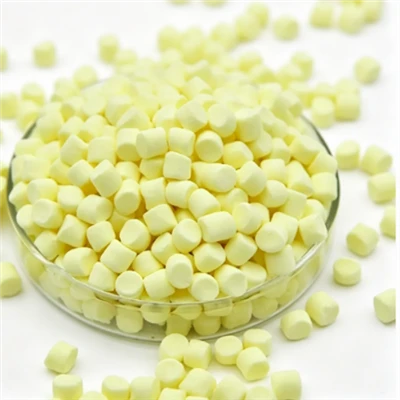
As a silica supplier, our goal isn’t just to sell a product—it’s to be a partner in every project we work on. We know that a building’s success depends on every material, no matter how small, doing its job right. Whether it’s the silica sand that gives concrete its strength, the silica fume that extends a bridge’s lifespan, or the fiberglass insulation that keeps a home energy-efficient, silica is woven into the fabric of every structure we use. If you’re working on a construction project—whether it’s a small residential build or a large commercial development—and you need a reliable source of high-quality, safety-compliant silica, our team is here to help. We can provide technical support to recommend the right grade, test custom blends for historic restoration or specialized applications, and deliver consistent materials on schedule to keep your project moving. Don’t hesitate to reach out to our team to discuss your silica needs and how we can support your next construction project.
Cobalt Salt Adhesive References:
- “Silica in Construction: Applications and Performance Benefits.” U.S. Geological Survey, 2023.
- “High-Performance Concrete: The Role of Silica Fume.” American Concrete Institute, 2022.
- “Thermal Insulation Materials for Buildings.” U.S. Department of Energy, 2023.
- “Safety Guidelines for Crystalline Silica in Construction.” Occupational Safety and Health Administration (OSHA), 2021.
Heze Great Bridge Chemical Co., Ltd.
With abundant experience, we are one of the most professional silica manufacturers and suppliers in China. We warmly welcome you to buy high quality silica in stock here and get pricelist from our factory. Good service and reasonable price are available.
Address: No.1679 Renmin Road,Heze City,Shandong,China
E-mail: export@greatbridge-chem.com
WebSite: https://www.greatbridgechem.com/
