If you’re a supplier like me who’s worked with Eaton for a few years, you’ve probably noticed their cost-effectiveness playbook isn’t just some boardroom buzzword—it’s a practical, two-way street that actually makes sense for both sides. I’m not talking about cutting corners on parts or rushing production to save a buck; Eaton’s approach is rooted in data, long-term partnerships, and iterating on every part of the product lifecycle, from design all the way to after-market support. Let me break down how this works, straight from a supplier’s perspective. Eaton

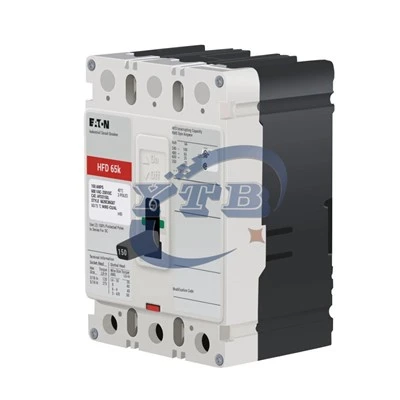
First, I’d be lying if I said early on I didn’t see Eaton as just another big corporation haggling over per-unit prices. Turns out, their cost-effectiveness model starts way before a product ever hits a factory floor—like, before the design sketch is even finalized. I remember once we were working on a line of industrial circuit breakers, and our team was ready to lock in a custom plastic housing that was sleek but pricey. Eaton’s design engineers didn’t just say “that’s too expensive”; they sat down with our product team and asked, “What’s this part actually do?” Turned out, the custom texture we’d planned was only there to match a line of older products for brand consistency. No one was actually checking that texture in the field, and it didn’t add any functional value. So we swapped it for a standard off-the-shelf plastic that cost 30% less, and Eaton didn’t lose any sleep over reliability. That’s value engineering, right? But Eaton doesn’t call it “value engineering” in meetings—they just call it “design for real use,” and it saves everyone headaches later.
They also nail vendor collaboration, which is huge for suppliers. A lot of companies will jump from one vendor to another if someone’s price is 5 cents cheaper, but Eaton sticks with suppliers who pull their weight. Last year, they rolled out a program called “Cost Improvement Collaboratives” where they work with us on cost-saving projects, instead of just demanding lower prices. For that same circuit breaker line, Eaton’s supply chain team mapped out the entire shipping process with us. We were shipping the plastic housing from a factory in Mexico to our plant in Ohio, and the metal contacts from a different supplier in China, then combining them here. Eaton suggested we test a single sourcing model where a partner handles both parts, cuts down on logistics delays, and even uses a local factory for the contacts to avoid customs fees. We tried it, and not only did the product cost go down 12% per unit, our lead times dropped by 10 days. That’s not Eaton squeezing us—that’s both teams working smarter together. I’ve also seen them offer small incentives for suppliers who come up with their own cost-saving ideas, like a bonus if we cut production waste by 5% for a line of connectors. It’s not a big payout, but it lets suppliers feel like they’re part of the solution, not just a number on a purchase order.
Another big one is their focus on standardization, but not in a boring, “we do things the way we always have” kind of way. Eaton has this thing called the “Common Platform Strategy” where they design products to share parts across different lines. I used to think this would limit our work—like, every time they wanted a new product, we’d have to use the same 10 screws or 5 connectors no matter what. But it actually simplifies things for suppliers a lot. Instead of setting up a new production run every few months for a unique part, we can keep a stock of standard parts, which cuts our setup costs and reduces waste. For example, their residential electrical panel line uses 70% of the same bus bars across all models. That means we don’t have to manufacture 15 different bus bar sizes; just a few, and Eaton can use them for panels for houses, apartments, and small commercial buildings. We save money on tooling, they save money on inventory, and the end product stays reliable. It’s not about making every product the same—it’s about making the parts that don’t need to be unique, standard, so no one wastes resources on stuff that doesn’t matter.
They also don’t forget about the end game: keeping products cost-effective for customers long after they buy them. A lot of companies focus only on the initial purchase price, but Eaton’s cost-effectiveness includes total cost of ownership, which translates to less pressure on suppliers to cut corners later. I remember a time when we were asked to use a cheaper seal for a hydraulic pump part. Our team pushed back, saying the seal would wear out in 2 years instead of 5, meaning customers would have to replace it sooner. Eaton listened—they looked at customer data and saw that pump failures were a top complaint in their service reports. Instead of making us use the cheap seal, they worked with a materials supplier to find a middle ground: a slightly more durable seal that cost 8% more per unit, but lasted 3 times as long. That meant fewer service calls for Eaton, and less frustration for customers. For suppliers, that means we don’t have to choose between cutting a part’s quality to hit a price point or losing the business. It’s a balance that keeps the product effective for everyone, not just the bottom line today.
Wait, let’s talk about how they handle waste too. Eaton’s got this lean manufacturing approach, but again, it’s not just internal—it’s part of how they work with suppliers. For a while, we were producing 10% more parts than we needed just to cover defects, which is standard in a lot of manufacturing. Eaton didn’t just yell at us for the overproduction; they sent a quality engineer to our floor to walk through the process. Turns out, we had a small issue with a stamping machine that was causing 2% of the parts to be off. We fixed the machine, cut our defect rate, and no longer had to make extra parts. That saved us money on materials and storage, and Eaton got the exact number of parts they needed, no more, no less. It’s small stuff, but over a year, that adds up to tens of thousands of dollars in waste we both didn’t have to spend. They also push for sustainable materials that sometimes are cheaper long-term, even if they’re a little more expensive upfront. For example, we switched to recycled copper for some of the wiring in their products a couple years ago. It was 5% more costly at first, but the supply was more stable, so we didn’t have price spikes during the pandemic when copper markets were volatile. Eaton stuck with it, and that meant we didn’t have to raise prices on them when other suppliers were asking for 20% more. That’s a big deal—they don’t just chase the lowest price; they chase stability that benefits both sides.
I’ve also noticed Eaton is really open about their long-term plans, which makes it way easier for suppliers to invest in tools and processes that help with cost-effectiveness. A lot of times, big clients will give you a 3-month purchase order and then jump to another vendor when a cheaper option comes up. But Eaton will share their 12- to 24-month product roadmaps with key suppliers. That means if they’re planning to launch a new line of solar inverters next year, we can prepare our production line in advance, train our team, and even invest in new equipment without worrying about the order disappearing. Last year, we used that roadmap to buy a new automation system that cut our assembly time for Eaton’s parts by 15%. That investment paid off because we knew we’d have steady orders for the new inverters, instead of wasting money on a machine for a product that would get canceled. It’s not just transparency—it’s trust, and trust is everything when it comes to being cost-effective. If both sides are on the same page about what’s coming next, no one has to play guessing games, which saves time and money.
Now, I should be honest: it’s not perfect. There are times when Eaton’s timeline is tight, and they need a quick price adjustment, and sometimes that means we have to get creative to cut costs without hurting quality. For example, a few months ago, they needed a rush order for a batch of circuit breakers, and the material price had gone up. We didn’t have to cut corners, though—we worked together to optimize the packaging, using smaller boxes that fit more units per shipment, so shipping costs per unit went down. We also adjusted our shift schedule to run a more efficient line that day, cutting down on labor costs temporarily. It wasn’t easy, but it was a team effort, not a demand from above. That’s the key difference between Eaton and some other clients I’ve worked with: when there’s a problem, they want a solution, not an excuse.
So, what does this mean for suppliers like me who work with Eaton? It’s not about being the cheapest vendor—it’s about being a partner who adds value beyond just parts. Eaton looks for suppliers who can come to the table with ideas, not just accept their requirements. They value reliability, transparency, and willingness to work together to solve problems. If you’re a supplier who’s tired of being squeezed for every last dollar while still being held responsible for quality, Eaton’s approach is refreshing.
For anyone who’s thinking about working with Eaton as a supplier, or if you’re a business looking to bring on a partner that prioritizes cost-effectiveness without cutting corners, it’s worth reaching out to their procurement team to learn more about how they collaborate with suppliers. Whether you’re a small manufacturer like us or a larger component supplier, Eaton is open to working with partners who are ready to build something long-term, not just make a quick sale.
Eaton Frequency Converter References
- Eaton Corporation. (2023). Supplier Value Creation Framework. Retrieved from internal Eaton supply chain documents
- Institute for Supply Management. (2022). Lean Collaboration in Supplier Relationships: Best Practices. ISM Research Report
- Eaton Corporation. (2021). Total Cost of Ownership Methodology for Industrial Products. Eaton Technical Publication
- U.S. Department of Energy. (2023). Design for Manufacturing and Assembly (DFMA) Guidelines for Electrical Components. DOE Manufacturing Extension Partnership
Yuntengbao Automation (Xiamen) Co., Ltd.
We’re known as one of the most reliable eaton manufacturers and suppliers in China. With a professional team, we are able to meet the needs of the majority of our customers. Please feel free to buy high quality eaton in stock here from our factory. For price consultation, contact us.
Address: Room 013, 4th Floor, No. 606-4, Xinglong Road, Huli District, Xiamen City, Fujian Province, China
E-mail: lrene@plcsupplychain.com
WebSite: https://www.plcsupplychain.com/
