Hey there! I’m a supplier of control cables, and I often get asked if control cables can be used in robotic applications. Well, let me tell you, the answer is a big fat yes! In this blog, I’m going to break down why control cables are a great fit for robots, the types that work best, and how you can choose the right ones for your robotic projects. Control Cable
Why Control Cables are Ideal for Robotics
First off, let’s talk about what robots need from their cables. Robots are all about precision, movement, and reliability. They need to be able to send and receive signals accurately to perform tasks like picking and placing objects, welding, or even exploring other planets. That’s where control cables come in.
Control cables are designed to transmit electrical signals between different components of a system. They’re like the nervous system of a robot, carrying information back and forth to make sure everything runs smoothly. Whether it’s telling a robotic arm to move a certain way or sending data from a sensor to the robot’s brain, control cables are up to the task.
One of the key advantages of control cables is their flexibility. Robots move in all sorts of ways, and their cables need to be able to keep up. Control cables are made with flexible materials that can bend, twist, and turn without breaking. This means they can handle the constant movement and stress that comes with robotic applications, ensuring long-lasting performance.
Another important factor is durability. Robots often work in harsh environments, whether it’s a factory floor with lots of dust and debris or an outdoor setting with extreme temperatures. Control cables are built to withstand these conditions. They’re resistant to things like abrasion, chemicals, and moisture, which helps to prevent damage and ensure reliable operation.
Types of Control Cables for Robotic Applications
There are a few different types of control cables that are commonly used in robotic applications. Let’s take a look at some of the most popular ones:
1. Multicore Control Cables
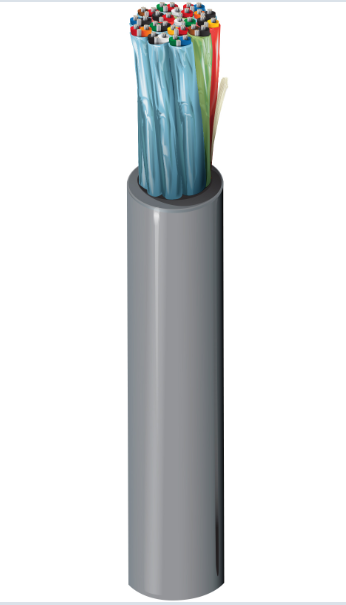
These cables have multiple cores, or conductors, bundled together in a single cable. They’re great for robots that need to transmit multiple signals at the same time. For example, a robotic arm might use a multicore control cable to send signals for movement, position feedback, and sensor data all in one cable. This reduces the amount of wiring needed, making the robot more compact and easier to install.
2. Shielded Control Cables
Shielded cables have a layer of shielding around the conductors to protect them from electromagnetic interference (EMI). EMI can cause signal distortion and noise, which can affect the accuracy of the robot’s operation. In robotic applications, where precision is key, shielded control cables are often used to ensure reliable signal transmission. They’re especially important in environments with lots of electrical equipment, such as factories.
3. Flexible Control Cables
As I mentioned earlier, flexibility is crucial for robotic cables. Flexible control cables are designed to bend and flex easily, making them ideal for robots that need to move in tight spaces or perform complex movements. They’re often made with materials like PVC or TPE, which have good flexibility and durability.
4. High-Temperature Control Cables
Some robots work in high-temperature environments, such as those used in foundries or ovens. High-temperature control cables are designed to withstand these extreme conditions without melting or degrading. They’re made with special materials that have a high melting point and good thermal stability.
Choosing the Right Control Cables for Your Robotic Project
Now that you know why control cables are a great choice for robots and the different types available, how do you choose the right ones for your specific project? Here are some things to consider:
1. Signal Requirements
Think about the types of signals your robot needs to transmit. Do you need to send power, data, or both? How many signals do you need to transmit at the same time? This will help you determine the number of cores and the type of cable you need.
2. Environment
Consider the environment where the robot will be operating. Is it a clean, dry environment or a harsh, dirty one? Will it be exposed to high temperatures, chemicals, or moisture? Choose a cable that is suitable for the specific conditions of your application.
3. Flexibility
How much movement will the cable need to withstand? If your robot has a lot of joints and moves in complex ways, you’ll need a highly flexible cable. Make sure to choose a cable with a bend radius that is appropriate for your robot’s movements.
4. Durability
Robots can be rough on their cables, so you want a cable that is durable and can withstand the wear and tear of regular use. Look for cables that are resistant to abrasion, chemicals, and moisture, and that have a good tensile strength.
5. Cost
Of course, cost is always a factor. While you don’t want to skimp on quality, you also want to find a cable that fits your budget. Compare prices from different suppliers and look for cables that offer a good balance of performance and cost.
My Experience as a Control Cable Supplier
As a control cable supplier, I’ve seen firsthand how important it is to choose the right cables for robotic applications. I’ve worked with a lot of different customers, from small startups building their first robots to large industrial companies with complex robotic systems.
One of the things I love about this job is getting to help customers find the perfect cables for their needs. Whether it’s recommending a specific type of cable based on their application requirements or providing technical support to solve a problem, I enjoy being able to contribute to the success of their projects.
I also stay up-to-date on the latest trends and technologies in the robotics industry. This allows me to offer my customers the most innovative and reliable control cables on the market. For example, I’m always looking for new materials and designs that can improve the flexibility, durability, and performance of our cables.
Conclusion

So, to sum it up, control cables are definitely a great choice for robotic applications. They offer the flexibility, durability, and signal transmission capabilities that robots need to operate effectively. Whether you’re building a small hobby robot or a large industrial robotic system, there’s a control cable out there that’s right for you.
Hybrid Security Cable If you’re in the market for control cables for your robotic project, I’d love to help. I can provide you with more information about our products, answer any questions you might have, and help you choose the right cables for your specific needs. Just reach out to me, and we can start the conversation about getting your robot up and running with the best control cables possible.
References
- “Robotics: Technology, Programming, and Applications” by Georgia Tech
- “Electrical Engineering Handbook” by Richard C. Dorf
- Manufacturer datasheets for various control cables
Zhejiang Chatnow New Material Technology Co., Ltd.
Zhejiang Chatnow New Material Technology Co., Ltd. is well-known as one of the leading control cable manufacturers and suppliers in China, specialized in providing high quality customized service. Please feel free to wholesale high-grade control cable at competitive price from our factory.
Address: Building 12, No.9 Huajin Road, ZhouWangMiao Town Innovation Center, Haining, Zhejiang 314400
E-mail: info@chatnow-cable.com
WebSite: https://www.chatnow-cable.com/
