Hey there! I’m a supplier of drying kilns, and today I wanna chat about the awesome benefits of integrating a drying kiln with other production equipment. It’s not just a cool addition; it can seriously level up your production game. Drying Kiln
First off, let’s talk about efficiency. When you integrate a drying kiln with other production equipment, you create a seamless workflow. For example, if you’re in the wood – processing industry, after the lumber is cut and shaped by sawmills and planers, it can go straight into the drying kiln. This cuts out the time and effort of moving the wood around multiple times. You don’t have to store the freshly cut wood in a separate area for air – drying, which can take weeks or even months. Instead, the kiln can dry the wood much faster, sometimes in just a few days. This means that your production cycle is significantly shortened. You can produce more products in a given period, which directly translates into more revenue.
Another major benefit is quality control. Different production processes require materials to have a specific moisture content. By integrating a drying kiln, you can ensure that the materials going into the next stage of production are at the optimal moisture level. In the case of wood, if it has too much moisture, it can warp, crack, or develop mold during further processing or when it’s used in end – products like furniture or flooring. With a well – integrated drying kiln, you can precisely control the drying process. You can set the temperature, humidity, and airflow according to the type of wood and the requirements of the subsequent production steps. This results in a higher – quality end – product that is more durable and aesthetically pleasing.
Cost – savings are also a big deal. Integrating a drying kiln reduces the need for expensive storage space for air – drying materials. You can save on the rent for large warehouses that would otherwise be used to store materials while they dry naturally. Additionally, since the drying process is faster, you use less labor. You don’t need as many workers to move the materials around or monitor a long – term air – drying process. And let’s not forget about energy efficiency. Modern drying kilns can be designed to work in tandem with other production equipment in an energy – efficient way. For example, waste heat from other machinery can be redirected to the drying kiln, reducing the overall energy consumption of your production facility.
In the food production industry, integrating a drying kiln can be a game – changer. Many food products need to be dried to increase their shelf – life and preserve their nutritional value. After the food is harvested, it can be directly transferred to the drying kiln. For instance, in the production of herbs, once they are picked and sorted, they can be placed in the kiln. The drying kiln can quickly remove the moisture content, preventing the growth of bacteria and mold. This means that the herbs can be stored for longer periods without losing their flavor and nutritional properties. And when the dried herbs are ready, they can be easily processed into different forms, such as powders or extracts, using other production equipment like grinders and extractors. This smooth integration streamlines the entire production process from harvest to the final product.
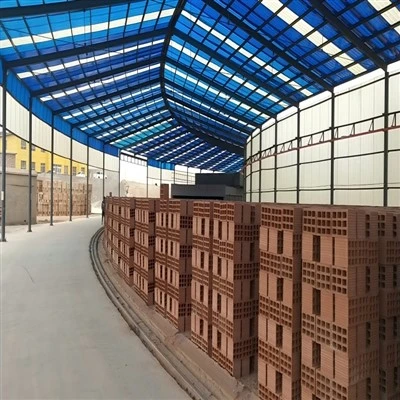
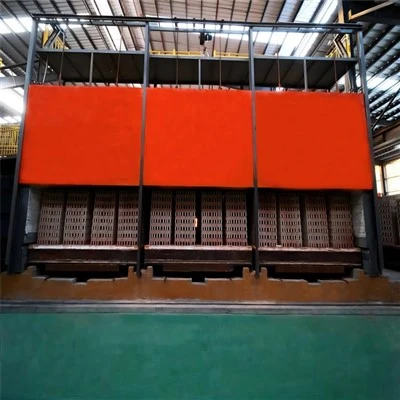
Let’s dive deeper into the importance of integration in the manufacturing of building materials. Take bricks, for example. After the bricks are formed, they need to be dried before firing in a kiln. By integrating a drying kiln with the brick – making equipment, you can ensure that the bricks have the right moisture content when they enter the firing kiln. If the bricks are too wet, they can explode or develop cracks during firing, which is not only a waste of materials but also a safety hazard. A well – integrated drying system will carefully remove the moisture from the bricks in a controlled manner. This pre – drying step helps in achieving a more uniform firing process, resulting in stronger and better – quality bricks.
Now, I know what you’re thinking: "All this sounds great, but how do I actually integrate a drying kiln with my existing production equipment?" Well, that’s where we come in. As a drying kiln supplier, we’ve got years of experience in customizing solutions for different industries. We work closely with you to understand your production process, the types of materials you’re working with, and your specific requirements.
We’ll assess your current production setup and come up with a plan to integrate the drying kiln smoothly. Our team of experts will handle all the technical aspects, from installation to calibration. We make sure that the drying kiln communicates effectively with other equipment, so you get the most out of the integration. We also offer after – sales support, including maintenance and troubleshooting. If you ever run into any issues, we’re just a call or an email away.
When it comes to selecting a drying kiln for integration, there are a few factors to consider. First, the capacity of the kiln should match your production volume. You don’t want a kiln that’s too small and can’t keep up with the flow of materials, nor do you want one that’s unnecessarily large, which would waste energy and space. Second, the type of drying technology is important. There are different types of drying kilns, such as convection, radiation, and vacuum drying kilns. Each has its own advantages and is suitable for different materials and applications. For example, convection drying kilns are great for general – purpose drying of a wide range of materials, while vacuum drying kilns are better for heat – sensitive materials.
In conclusion, integrating a drying kiln with other production equipment offers a multitude of benefits, including increased efficiency, better quality control, cost – savings, and a more streamlined production process. Whether you’re in the wood – working, food production, or building materials industry, the right integration can take your business to the next level.
If you’re interested in learning more about how integrating a drying kiln can benefit your production process or if you’re ready to start the procurement process, don’t hesitate to reach out. We’re here to answer all your questions and help you find the perfect drying kiln solution for your needs.
Tunnel Kiln References:
- Wood Drying Manual – Forest Products Laboratory
- Handbook of Food Preservation – CRC Press
- Brick and Masonry Manufacturing – Industry Reports
Henan Yaxin Kiln Co., Ltd.
Henan Yaxin Kiln Co., Ltd. is one of the most professional drying kiln manufacturers and suppliers in China. With abundant experience, we warmly welcome you to buy high quality drying kiln with the latest design from our factory. Good service and punctual delivery are available.
Address: Jixian Industrial Zone, Shangqiu City, Henan Province
E-mail: 1543563178@qq.com
WebSite: https://www.hnyxkiln.com/
