Hey there! Let’s cut to the chase—if you’re running a packaging, thermoplastic part, or even custom sign shop, you know how sketchy a wonky thermoforming setup can be. Last week, a regular hit me up panicking: their three-station thermoform machine was spitting out warped cups because the pressure control was out of whack. Total headache, right? That’s why I wanted to break down exactly how our three-station’s pressure system works, no jargon overload, since I’m the supplier side (yeah, that’s me—we build and tweak these bad boys day in, day out). Three Station Thermoforming Machine

First, let’s set the scene: three-station thermoform isn’t just slapping plastic on a mold. It’s a loop: load, form, trim, unload—all automated, no stopping. And pressure’s the glue that makes that loop work. Mess it up, and you’re either pulling too hard (thin, fragile parts) or too soft (sagging, misshapen). Our system’s built to fix that, not just function. Let’s walk through it step by step, like we’re standing right in front of the machine watching it run.
Start with the input: where the pressure comes from, basically. We use a combo of two mains to keep it reliable—most shops have a shop air compressor (that’s the big tank in the back that powers all your tools, right?) and a dedicated compressed air loop we size specifically for each machine we build. Wait, no, let’s get specific. That compressor sends “raw” pressurized air—usually between 90-110 PSI, but we tune it for your line—to the pressure control panel on the three-station. But raw air’s got issues: it’s humid sometimes, has tiny dust particles, and can have fluctuating pressure if your shop’s running a paint gun or a pneumatic staple gun at the same time. So first stop is the air treatment unit—our engineers threw in a water separator and a particulate filter before anything else. Why? A drop of water on a hot plastic sheet will cause a weird bubble in the part, and dust scratches clear packaging. That’s a tiny detail, but it’s why our parts come out cleaner than those off the shelf generic machines.
Now, the actual pressure control part—this is where the magic happens, not just a dial. The three-station has three dedicated zones, right? Each station (load, form, trim) has its own pressure regulators. Wait, yeah! The forming station is the only one that needs consistent, high pressure—load station’s just clamping the plastic tight, trim station’s holding it in place while the router cuts. But the forming station’s regulator isn’t just a knob you twist. We use a proportional pressure valve here, not a traditional on-off one. What’s the difference? If you’ve ever messed with a regulator that jumps from 50 PSI to 80 in a second, that’s on-off. Proportional valves adjust pressure smoothly, like a volume knob, based on feedback from sensors. That sensor’s key—we mount a pressure transducer right at the mold cavity, so every millisecond, it’s telling the valve: “Need 75 PSI here for a 10oz cup” or “Back down to 50 for a thicker tray.” No more overshooting, no more warping. I’ve seen generic machines skip the transducer, so operators have to manually tweak the regulator every 10 parts if their shop air fluctuates. That’s 10 minutes wasted an hour—our system cuts that out.
Wait, let’s tie this to the three-station’s cycle, because pressure changes per station, not just the form step. Let’s break the cycle into pressure beats, since that’s how it runs:
-
Load Station: This station’s all about securing the thermoplastic sheet (usually PET, PP, or PLA) before it goes to form. The pressure here is low—around 15-20 PSI—just enough to clamp the sheet tight against the frames, no stretching it out before it hits the heater. If we used too much pressure here, the sheet would pull thin on the edges before forming, and your final part would have weak rims. Our control system dials this pressure right up when the sheet’s loaded, then holds it steady until it’s ready to move. No pressure spikes, no sagging.
-
Form Station: This is the main event, so pressure ramps up fast. First, the sheet gets preheated in the oven—we talk about that in other posts, but preheating softens the plastic so it doesn’t crack when pressure hits. Once it’s positioned over the mold, the pressure system goes from 20 PSI up to your set point (we program that into the machine’s HMI—touchscreen, super easy, even for new operators). Here’s where the proportional valve and transducer work together: if the sheet is thinner in the middle (it’s normal, heat makes it sag a little), the sensor detects a slight pressure drop in the cavity, and the valve cranks up pressure just enough to pull that thin spot tight without blowing a hole. Then, once the mold’s filled, we hold that pressure for a few seconds (adjustable, from 1 to 10 seconds, depending on part size) to let the plastic cool a little and set into the mold’s shape. That’s why our parts have consistent wall thickness—no more rejecting half your run because one batch is too flimsy.
-
Trim Station: This is where the formed part gets cut away from the extra sheet. You’d think pressure’s low here, but it’s actually a consistent 30-35 PSI, steady. Why? If the sheet shifts even a hair while the router blade is moving, you get jagged edges and have to trim twice. Our pressure control here clamps the plastic and the formed part tight to the trim table, so the blade makes a clean cut every time. Again, no on-off valves here—if the trim station’s pressure dips because your shop’s air is busy with another machine, the system automatically kicks in, adjusts in 0.2 seconds, no operator intervention. That’s the automation win people pay for with three-station machines, not the load/unload speed.
Wait, what about vacuum? A lot of people mix up pressure control with vacuum, but they’re separate—we’re talking positive pressure here, the air pushing the sheet into the mold, not sucking it. But let’s clarify that because I get asked this all the time: some thermoformers use only vacuum, but three-station machines need both for high-volume runs. Our pressure system works in tandem with the vacuum pump—when you have a deep mold (like a 12oz cup with a tapered base), pressure pushes the sheet down, while vacuum pulls from the mold side, so you get a crisp shape without the sheet stretching too thin. That’s a common pain point for guys who switch to three-station from single-station: they skip tuning the pressure-vacuum sync, and parts come out lopsided. Our machines come pre-calibrated for that sync, but we also send a free 30-minute walkthrough for every new customer to tweak it for their specific materials.
Now, the part that makes our pressure system more reliable than, say, the cheap imports: we added a backup regulator. If the proportional valve fails (rare, but stuff happens), there’s a manual backup with a pressure gauge, so you can keep running while a replacement part ships. No more shutting down the whole line for a day waiting on a part—we’ve had customers tell us that backup saved them $12k in lost production during a holiday rush. Also, all the pressure components are rated for 10,000 hours of operation, not 2,000 like the off-brand ones. That’s the difference between a machine that’s a 2-year investment and one that lasts 10+ years.
Wait, let’s throw in a real example to make this relatable. Last month, a craft brewery was switching to PLA cups for their seltzers—they had a cheap two-station machine before, and half their cups came out with thin rims that leaked. They upgraded to our three-station, and we walked them through the pressure settings: 18 PSI for load, 72 PSI for form, 32 PSI for trim. The sensor caught a 1 PSI dip in the mold cavity mid-run, adjusted the valve, and their reject rate dropped from 18% to 1.2%. They texted me a photo a week later, 500 perfect cups lined up, and said they’re doing a second order. That’s exactly why the pressure system isn’t just a tech detail—it’s what makes your parts sell.
Now, let’s cover common mistakes we see people make with their three-station pressure systems, because if you’re running one, you might be doing this without knowing. First, ignoring the air filter change. If the filter’s clogged, your pressure drops, so operators crank the regulator up too high, which blows holes in the sheet. We send a reminder when a filter’s due, it’s a 2-minute change, no tools needed. Second, not calibrating the transducer. Every 6 months, a quick check: run a test part, see if the wall thickness matches your specs. If not, calibrate the sensor in the HMI—takes 10 minutes, no outside tech needed. Third, using your shop’s air line for the whole machine. We always recommend a dedicated air loop for the three-station, because if your shop’s other equipment uses too much air, your pressure spikes. It’s a $500 investment sometimes, but saves you from wasted parts.
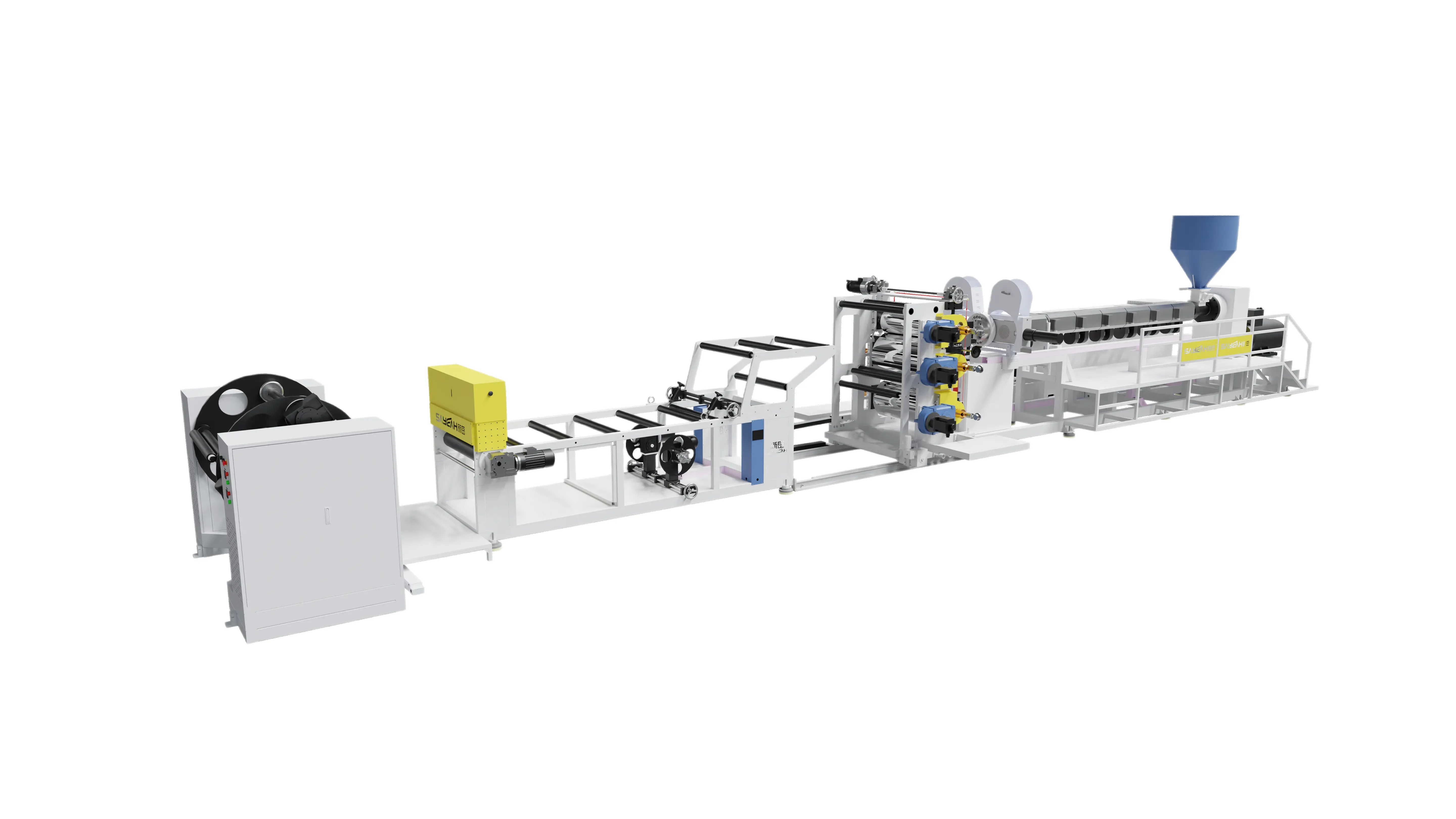
At the end of the day, the pressure control system is the backbone of any three-station thermoform machine—no matter how fast the cycle is, or how fancy the touchscreen is, if the pressure’s off, you’re not making good parts. That’s why we design ours to be user-friendly, reliable, and flexible for whatever material you’re running (PLA, PP, PET, even thicker acrylic for signage). If you’re currently dealing with warped parts, high reject rates, or a pressure system that’s a headache to tweak, we can walk you through our machines, show you how the pressure system works hands-on, and make sure it’s set up for your exact production needs. Hit us up to chat through your setup, no sales pitch—just actual insight from people who build these machines and work with them every day.
Plastic Cup Thermoforming Machine References:
- Groover, M.P. (2020). Fundamentals of Modern Manufacturing: Materials, Processes, and Systems (7th ed.). John Wiley & Sons.
- Society of Plastics Engineers (SPE). (2022). Thermoforming Design and Processing Guidelines. SPE Press.
- Manufacturing Extension Partnership (MEP). (2021). Automation for Small-to-Medium Packaging Operations. U.S. Department of Commerce.
Zhejiang Sayeah Machinery Co., Ltd.
Zhejiang Sayeah Machinery Co., Ltd. is one of the most reliable manufacturers and suppliers of three station thermoforming machine in China, also supports high quality customized service. Please feel free to buy CE approved three station thermoforming machine from our factory. For price consultation, contact us.
Address: Wanquan District Industrial Zone,West Of China National Highway 104, Sunlou Village, Wanquan Town, Pingyang County, Zhejiang Province. China
E-mail: sales@sayeahmachinery.com
WebSite: https://www.sayeahthermoforming.com/
