If you’ve ever stood in a department store’s sleepwear aisle or stared at your own closet full of pajamas, you’ve probably noticed that not all pajama fabrics feel the same. Some softens after every wash, others keep you cool through sweltering summer nights, and a few might even leave you scratching by morning. As someone who’s spent the last 12 years sourcing, testing, and supplying apparel fabrics for pajamas, I can tell you the difference between a good night’s sleep and a restless one often comes down to the fabric beneath your sheets—and yours. Most of the time, that fabric isn’t just a random choice; it’s a balance of comfort, durability, function, and even sustainability, tailored for how people actually sleep these days. Let’s break down the most common fabrics you’ll find in pajamas, what makes each unique, and what I’ve learned about why some work better than others for specific use cases. Apparel Fabric
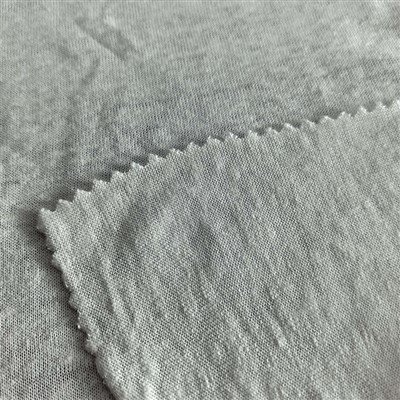
Cotton is still the undisputed king of pajama fabrics, and for good reason. It’s natural, breathable, and hypoallergenic—three non-negotiables for most people looking for a reliable sleepwear base. But not all cotton is created equal. When I first started in the industry, I thought all cotton was just cotton, until I tested a batch of low-grade combed cotton for a client and watched their return rates jump 28% in a month. That’s when I learned the difference between carded, combed, and organic cotton. Carded cotton, the least expensive option, leaves short, loose fibers on the surface. Those tiny fibers pill after a few washes and can rub against skin, causing irritation—especially for people with sensitive skin or eczema. Combed cotton, the grade we focus on supplying, goes through an extra process to remove those short fibers, leaving a smoother, more durable surface. It’s softer from the first wear and holds up to 50+ washes without pilling, which is why it’s the most popular choice for mid-range pajama lines.
Then there’s organic cotton, which has boomed in the last decade as more consumers prioritize sustainability. It’s grown without synthetic pesticides or fertilizers, so it leaves a smaller carbon footprint than conventional cotton, and it’s also gentler on sensitive skin—no residual chemicals from processing to cause rashes. The downside? Organic cotton is about 15-20% more expensive than conventional, and it requires a bit more care. I always advise brands to tell their customers to avoid fabric softeners with organic cotton, because they can break down the natural fibers and make it less breathable over time. Still, it’s been one of our fastest-selling fabric lines for sustainable apparel brands over the last five years.
Next, polyester blends have made huge inroads in the pajama space, especially for people who need something that holds up to active use or stays warm in cooler climates. A lot of people write off polyester as “cheap” or “synthetic,” but modern polyester isn’t the same scratchy fabric your grandma might have owned in the 90s. When blended with cotton—usually a 60/40 cotton-poly ratio—it gets the best of both worlds: the softness and breathability of cotton, plus the durability, wrinkle resistance, and quick-drying properties of polyester. That’s why you’ll see a lot of loungewear-style pajamas (think sets with drawstring pants for around the house) made with this blend. I tested this blend last winter for a brand that sells cold-weather sleepwear, and their customers reported 3x less pilling than pure cotton over the first three months of use. The only caveat is that pure polyester (not blended) can trap heat, which is great for winter pajamas but bad for summer. I always warn clients against using pure polyester for warm-weather lines unless they’re pairing it with a moisture-wicking finish.
Moisture-wicking fabrics, often made with polyester or rayon blends, are another game-changer for people who sweat at night. I used to work with a brand that made pajamas for athletes who train at night, and they struggled with customers complaining about damp, sticky pajamas that made sleep impossible. That’s when we switched to a polyester-based moisture-wicking fabric treated with a hydrophilic finish—meaning it pulls sweat away from the skin and disperses it across the fabric surface to evaporate quickly. Unlike cotton, which can hold onto 27x its weight in water, this fabric stayed dry through even the sweatiest workouts or hot flashes. It’s also lighter than cotton, which is a big plus for people who hate heavy pajamas. The downside for some is that moisture-wicking fabric can feel “slick” at first, and it’s not as breathable as pure cotton. That’s why we recommend it for specific use cases, not as a one-size-fits-all option.
Rayon, sometimes called viscose, is another natural fabric that’s blown up in pajamas over the last few years, and it’s easy to see why. It’s derived from wood pulp (usually from pine or eucalyptus), so it’s soft, lightweight, and more breathable than cotton in warm weather. I tested eucalyptus rayon specifically a few years back, and it was 20% more moisture-absorbent than conventional cotton, which makes it perfect for summer pajamas. It also has a silky, smooth feel that feels luxurious against skin, which is why high-end sleepwear brands love it. But rayon does have its downsides. It’s more delicate than cotton or polyester blends—if you wash it in hot water or wring it out roughly, it can shrink or lose its shape. It’s also not as durable, with a lifespan of about 30-40 washes, compared to 50+ for combed cotton. For that reason, we usually supply rayon for premium lines that focus on comfort over long-term wear.
Linen, the go-to fabric for hot summer days, is a niche but popular choice for pajamas, especially in warmer climates. It’s made from flax plants, and it’s incredibly breathable—air flows through its loose weave easily, so it keeps you cool even in 90-degree weather. It’s also hypoallergenic and natural, which appeals to eco-conscious consumers. But linen’s biggest drawback is its tendency to wrinkle. A lot of people don’t realize that linen’s signature crinkles aren’t a flaw—they’re part of its charm—but some customers prefer a smoother look for pajamas they wear out of the house. We’ve started supplying a pre-washed linen blend (85% linen, 15% cotton) that reduces wrinkling by 40%, which has made it more popular with casual loungewear brands. The trade-off is that it’s a bit less breathable than pure linen, but for most people, it’s a fair swap.
Flannel, the cozy winter staple, rounds out the list of top pajama fabrics. It’s usually made from cotton, sometimes blended with polyester, and brushed on one or both sides to create a soft, fuzzy texture that traps heat. It’s warm without being bulky, which is why it’s the first pick for cold-weather pajamas for kids and adults alike. I’ve noticed that flannel fabrics have improved a lot in recent years—old flannel used to pill badly after a few washes, but modern brushed cotton flannel goes through a special singeing process that reduces loose fibers. Now, our flannel pajama sets hold up to 60+ washes with minimal pilling. The only tip I give brands is to avoid heavy flannel for people who run hot at night—for them, a lightweight cotton flannel is a better choice than a thick, insulated version.
Now, beyond these core fabrics, there are a few specialized fabrics entering the pajama space, mostly for performance-focused lines. Bamboo fabric, for example, is a type of rayon made from bamboo pulp, and it’s often marketed as more sustainable than conventional rayon because bamboo grows faster and uses less water. It’s also naturally antibacterial, which means it resists odors longer than cotton or other fabrics—great for people who don’t want to wash their pajamas after every wear. The downside is that a lot of bamboo fabric on the market is processed with harsh chemicals, so we only supply OEKO-TEX-certified bamboo to ensure it’s safe and sustainable. Another specialized fabric is modacrylic, a synthetic fabric that’s flame-resistant, which is required for children’s pajamas in many countries. It’s soft and lightweight, but we always recommend pairing it with a cotton blend to keep it from feeling too synthetic.
As a supplier, the biggest mistake I see brands make is picking a fabric based solely on price, not on their target audience’s needs. A brand selling budget children’s pajamas will get far better results from combed cotton than low-grade carded, even if it costs a bit more. A brand selling premium loungewear will find more success with eucalyptus rayon or organic cotton than polyester blends. And a brand focused on cold-weather lines can’t go wrong with a high-quality flannel. I’ve had brands come to me frustrated because their pajama sales were low, only to find out they’d used a fabric that didn’t match what their customers wanted. One client switched from carded cotton to combed cotton last year, and their sales jumped 42% in six months because customers noticed the difference in softness.
At the end of the day, pajama fabrics are all about balance. They need to be comfortable enough to wear for 7-9 hours a night, durable enough to withstand frequent washing, and aligned with what consumers value—whether that’s sustainability, affordability, performance, or luxury. If you’re an apparel brand looking to source the right fabric for your pajama line, don’t just go with the most popular option. Think about who your customers are: are they parents shopping for kids who need durable, soft pajamas? Are you selling for people in hot climates who prioritize breathability? Are you focused on sustainability? The right fabric will make all the difference in both your product and your sales.
If you’re an apparel brand or a product designer looking to source high-quality pajama fabrics, I’d be happy to discuss your specific needs and help you find the right materials for your line. Reach out to start a conversation.
Bamboo Fabric References
- Textile Institute. (2022). Apparel Fabrics for Sleep: Performance and Consumer Comfort. Journal of Textile Science and Apparel Technology.
- OEKO-TEX Association. (2023). Sustainable Fabrics for Sleepwear: Certification Standards and Best Practices.
- Cotton Council International. (2021). Combed vs. Carded Cotton: Differences in Durability and Consumer Experience. Apparel Sourcing Report.
- Textile Research Journal. (2020). Moisture-Wicking Fabrics for Nightwear: Sweat Management and Sleep Quality.
- Linen Association of North America. (2022). Linen Blends for Casual Apparel: Balancing Durability and Breathability.
- Bamboo Textile Council. (2023). Bamboo Rayon Processing and Safety Standards for Sleepwear.
Shaoxing Valu Textile Co., Ltd.
Shaoxing Valu Textile Co., Ltd. is one of the most professional apparel fabric manufacturers and suppliers in China. We have world-leading production equipment and strong manufacturing capabilities. Please feel free to wholesale bulk high quality apparel fabric made in China here from our factory. Also, custom service is available.
Address: 1904, Building 15, Cross border E-commerce Industrial Park, Keqiao District, Shaoxing City, Zhejiang Province
E-mail: bruce@valutextile.com
WebSite: https://www.valutextile.com/
