Hey everyone,
If you’ve been scrolling through Airbnb lately, you’ve probably noticed something: those tiny, sleek container homes popping up in cool locations—like a mountaintop in Colorado, a beach in Florida, or even a backyard in a trendy urban neighborhood. As someone who runs a modular container homes supplier, I get tons of questions from people looking to rent out one of these: “Can a modular container home actually work as an Airbnb?” The short answer is yes—but there’s a lot more to it than just plopping a shipping container down and listing it. Let’s break this down from the perspective of someone who’s been building these homes for years. Modular Container Homes
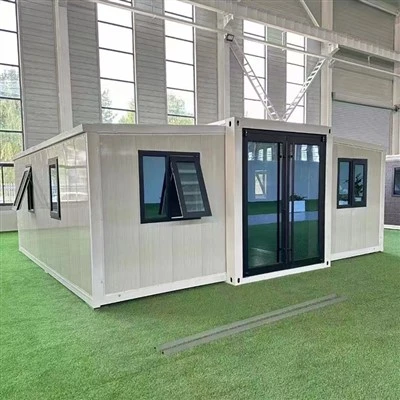
First off, let’s be real: Airbnb rentals aren’t just a place to crash. They’re a product—one that needs to attract guests, make you money, and be easy to maintain. Modular container homes check a lot of boxes here, but not all of them. Let’s start with the biggest win: cost. Traditional stick-built rentals can take months to construct, get permits, and finish. Modular containers? We build them in a controlled factory in a matter of weeks, then deliver them to your site. That cuts down on upfront costs by a ton—some folks save 20-30% compared to building a stick-built space. For an Airbnb host, that means faster time-to-market (so you start earning sooner) and lower initial investment, which is a huge deal if you’re testing a new rental property.
Then there’s flexibility. A lot of Airbnb hosts don’t own permanent land—they might rent a small lot in a tourist area, or want to add a rental unit to their existing property without breaking ground. Modular containers are way easier to move than a stick-built home. If your tourist spot gets too busy one year and you want to relocate your rental, you can haul that container home to a new site without demoing the whole thing. That’s a game-changer for people who like to pivot their business or don’t have long-term land rights.
But let’s talk about the stuff that actually matters for guests. No one wants to stay in a container that feels like a metal box. Back in the day, shipping containers were just for cargo—cramped, cold, and noisy. But today’s modern modular containers? We insulate them with spray foam that keeps heat in in winter and out in summer, add double-paned windows and doors, and line the interior with drywall or wood paneling. I’ve stayed in a couple of these rentals myself, and they don’t feel like containers at all—they feel like a cozy, well-designed tiny home. Guests don’t care where the structure came from; they care if it’s warm, has good Wi-Fi, and a comfortable bed. And the best part? We can customize every inch: add a kitchenette, a bathroom with a rainfall shower, even a small deck or rooftop terrace. That makes your rental stand out from basic hotel rooms or generic tiny homes on Airbnb.
Now, the not-so-glam side—because nothing’s perfect. The biggest headache with container homes for Airbnb is permitting. A lot of local governments still see shipping containers as temporary storage, not permanent living spaces. So you’ll have to jump through a few more hoops than you would with a stick-built home: getting a certificate of occupancy, proving the structure is safe for long-term living, maybe even doing a site survey. I’ve had clients in some cities breeze through permits, while others had to fight for 6 months just to get approval. Do your research first—check with your local planning department before you buy a container. If your area is strict about zoning for short-term rentals (which a lot of places are, especially in busy tourist towns), make sure a container home is allowed there. Otherwise, you could waste a ton of time and money on a unit you can’t list.
Then there’s the maintenance. Metal can rust if you don’t treat it right, especially in humid areas like Florida or coastal California. We coat every container with a weather-resistant paint, but you’ll still need to do annual inspections to fix any small rust spots before they turn into big problems. Also, because they’re smaller than a full-sized home, storage can be an issue if you’re hosting long-term guests—no one wants to feel cramped. But that’s why we design our containers with smart space-saving solutions: pull-out desks, loft beds, built-in storage nooks. It’s all about making the small space feel intentional, not cluttered.
Now, let’s talk about the moneymaking part. Can you actually turn a profit with a container home Airbnb? Let’s do a quick example: Say you buy a 20ft modular container home (that’s about 160 sq ft, perfect for 2 guests) for $35k, deliver it to your site for $5k, and put $10k into interior finishes and utilities. That’s $50k total. In a popular tourist area, you could list that for $150 a night, with 20 nights a month booked (which is totally doable for a unique space). That’s $3000 a month, minus cleaning fees, maintenance, and utilities—you’d cover your initial cost in like 18 months. And if you go bigger, a 40ft container (320 sq ft, fits 4 guests) could list for $220 a night, making even more. Plus, because modular builds are faster, you can have two small units side by side for the same price as one stick-built home, doubling your income.
Wait, but what about guest reviews? I’ve seen hosts worry that “container” will scare people off, but the opposite is true. Unique stays are some of the highest-rated on Airbnb. Guests love the novelty of staying in a repurposed shipping container, plus they’re usually in great locations because you can place them on smaller lots that traditional homes wouldn’t fit on. One of my clients in Oregon has a container home right on a riverbank, and their reviews say things like “the space feels so unique and the views are unbeatable” — they have a 4.9 star rating, which is insane.
But here’s a pro tip from someone who’s been in this game: Don’t try to cut corners. I’ve had a few clients who bought cheap, used shipping containers to save money, and those always end up causing problems. Used containers might have hidden rust, dents, or weak frames that don’t hold up to insulation or utilities. We sell new modular containers that are built specifically for living spaces, not cargo—so they have proper structural support, sealed seams to keep water out, and the right insulation. Spending a little more upfront on a quality unit means fewer maintenance calls and happier guests, which equals better reviews and repeat bookings.
Another thing: utilities. Container homes are actually pretty energy-efficient because they’re smaller, which is a win for you (lower monthly bills) and guests (no shock when the electricity bill is high). You can run them on standard hookups—electric, water, sewer—just like a regular home. Some hosts even go off-grid with solar panels if their site doesn’t have access to utilities, which is a huge selling point for eco-conscious travelers. I had a client in Arizona who installed solar on his container home, and he lists it as a “sustainable getaway” — that’s brought in guests who pay a premium for eco-friendly stays.
So, to circle back: Yes, modular container homes absolutely work as Airbnb rentals. They’re cost-effective, flexible, unique, and can be designed to feel just as nice as a traditional home. But you have to do your homework: check local zoning and permitting rules, invest in a quality unit, and design the space to feel intentional (not like a metal box). If you do that, you’ll have a rental that stands out, makes money, and keeps guests coming back.
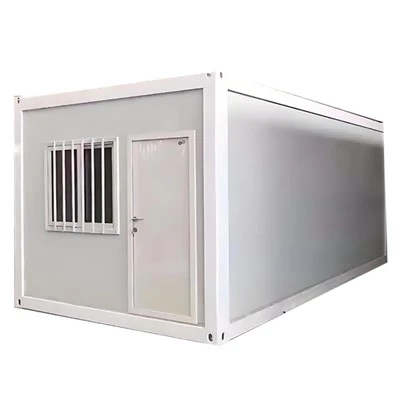
If you’re thinking about building a modular container home for an Airbnb, don’t overcomplicate it. You don’t need anything fancy—just a unit that’s well-built, has the basics (good bed, Wi-Fi, a kitchen), and is in a cool spot. And as your modular container homes supplier, I’m here to help you every step of the way: from choosing the right size, to customizing the interior, to making sure it’s ready for delivery.
Prefab Container House If you’re ready to turn your rental idea into a reality, reach out to our team to chat about your space, budget, and goals. We’ll walk you through every part of the process, no sales pitches, just straight talk from people who know containers inside and out.
References
- International Code Council. (2021). “International Residential Code for One- and Two-Family Dwellings.”
- National Association of Home Builders. (2022). “Modular Construction Cost Comparison Report.”
- Airbnb Host Insights. (2023). “Unique Accommodation Trends: Guest Preferences for Non-Traditional Stays.”
- U.S. Department of Energy. (2022). “Energy Efficiency in Small Residential Structures.”
- Local Zoning Board Associations. (2023). “Short-Term Rental Zoning Guidelines for Alternative Housing Types.”
Jiangsu Suqian Longze Modular Construction Co., Ltd.
As one of the most professional modular container homes manufacturers and suppliers in China, our products have good reputation in the market. Please feel free to buy high quality modular container homes at competitive price from our factory. We also accept customized orders.
Address: No. 8, Weisan Road, Shuanggou Town, Sihong County, Suqian City, Jiangsu Province, China
E-mail: Lzmk88888888@163.com
WebSite: https://www.expandablehousefactory.com/
