If you’ve ever worked with Python, you’ve probably run into pickling at some point—it’s Python’s built-in way of serializing objects so you can save them to a file, send them over a network, or pass them between processes. But if you’re in the business of selling generators—physical, fuel-burning, portable or stationary power units, not Python’s generator objects—you might be wondering: how does pickling relate to my line of work? At first glance, the two seem worlds apart. One is a core feature of the Python programming language, used by developers to handle code and data; the other is a heavy-duty piece of equipment designed to keep homes, job sites, and businesses running when the grid fails. But after 12 years in the generator supply business, I’ve seen firsthand how understanding pickling—even the computer science kind—can help you make better decisions when it comes to power equipment, especially if you’re dealing with software that manages your generators. Let’s break this down: can a generator be pickled in Python, what that even means, and why it matters for anyone who relies on generators for their operations. Generator

First, let’s clear up a common confusion. When most people ask “can a generator be pickled,” they’re usually mixing up two definitions of “generator.” In Python, a generator is a specific type of iterator function that generates values on the fly, rather than storing all of them in memory at once. Pickling, in Python terms, is the process of converting a Python object (like a generator, a list, or a custom class) into a byte stream that can be saved and restored later. So when someone talks about pickling a generator in this context, they’re asking: can that Python generator object be serialized with pickle? The answer is yes—sort of, but with caveats that trip up a lot of developers and, by extension, businesses that use generator management software. But here’s where it connects to the physical equipment I sell: modern generators don’t work in a vacuum. They’re tied to monitoring software, remote control systems, and fleet management tools that run on Python for their flexibility and ease of customization. That means the “pickle” question isn’t just a coding trick—it’s a practical issue for anyone who manages a fleet of generators, from construction companies to hospitals.
Let’s start with the Python side to get this right. A Python generator is built using the yield keyword, which pauses the function’s execution and returns a value, then resumes where it left off the next time you call it. For example, a generator that outputs power output readings every 10 seconds for a generator might look like this:
def generator_voltage_readings(generator_id):
while True:
# Simulate fetching voltage data from the physical generator
current_voltage = fetch_voltage(generator_id)
yield current_voltage
time.sleep(10)
This generator object keeps track of its state—how far along it is in its loop, any local variables, and where to pick up next. Pickling this object would save all that state into a byte string, so you could later unpickle it and resume fetching readings from exactly where you left off. That sounds great, right? For generator monitoring, being able to pause a reading process, save it, and restart it later without missing a beat is a big deal. But here’s the catch: pickle works for in-memory Python objects, but it can’t interact directly with hardware—like a physical generator’s control module. The fetch_voltage function that pulls data from your generator isn’t part of the pickled generator object. When you unpickle the generator, that function still has to exist in your codebase, and it still needs access to the generator’s hardware, network, or API to get new data.
So where do things go wrong for someone who only thinks of generators as physical equipment? Let’s say you’re a small construction company that buys 10 portable generators from us, and you use a custom Python script to track their runtime. The script uses a generator to log each hour a generator is in use, and you decide to pickle that generator to a file so you can load it later without re-scanning all historical data. One day, your server crashes, and you restore the pickle file—but when you unpickle it, the generator tries to reconnect to your generators, but the network settings have changed, or the API keys your script uses are expired. The pickle works for the generator’s state, but it doesn’t update the hardware connection details. As a generator supplier, I’ve heard this exact story more times than I can count. Business owners will come to us saying, “My generator monitoring tool broke after a server update, and I thought pickling would fix it.” The problem wasn’t the generator (physical or Python) itself—it was a misunderstanding of what pickle can and can’t do.
Now, let’s talk about why this matters for our line of work as generator suppliers. We don’t just sell generators—we sell solutions. A hospital needs generators that sync with their emergency power management system; a retail chain needs portable generators that their logistics team can track remotely. More and more of our customers are asking for generators that integrate with Python-based software, and that means they’re running into pickling questions. Let’s address a common myth: some people think if you could “pickle” a physical generator, that would mean you could save it to a file, transfer it, or restore it like a Python object. Obviously, that’s not feasible—you can’t serialize a 500-pound standby generator into a byte stream and store it on a cloud drive. But the underlying principle of pickling—preserving state across restarts or transfers—does apply to how we design generator accessories.
For example, many of our standby generators come with a remote monitoring module that runs lightweight Python code to send status updates to a customer’s dashboard. That module often uses pickling to save short-term data like voltage spikes or runtime logs, so if the module loses power (like during a grid outage), it can unpickle the last saved state and pick back up where it left off instead of resetting. When we test these modules, we have to be careful to avoid common pickle pitfalls, like storing API keys or hardware-specific configurations in the pickled data. That’s where our team works closely with developers: we advise them to keep dynamic information (like network credentials) separate from the static state, so when unpickling happens, the module can refresh those details without breaking.
Another scenario: a construction company is managing a fleet of 20 portable generators across three job sites. They use a Python script to split their runtime data among multiple processes to speed up calculations. Pickling the generator objects in their script lets them pass those processes between servers without reprocessing all data, which saves time and reduces downtime on job sites. But if one of the generators is being moved to a new site, the script has to update the generator’s location in the unpickled object, because pickle doesn’t track physical movement or location changes. Our team will help them integrate a simple API call to our generator’s control module that lets them update location data when a generator is relocated, so the unpickled script stays accurate.
Let’s also clear up the confusion for non-developers. If you’re a business owner who relies on generators, you don’t need to learn Python pickle, but understanding the core idea helps you communicate with our team and your tech partners. Pickling is about saving the “memory” of a process or object without saving the object itself. For a generator, that’s similar to saving its operational history—its last maintenance date, runtime, load levels, and fuel status—so when you bring it back online after a long period of storage, you don’t have to start tracking that data from scratch. That’s why we include data logging modules in most of our generators: they essentially pickle key operational data, so you can review it during maintenance or troubleshooting.
Now, what are the common mistakes I see customers make when it comes to pickling (or misunderstanding it) with their generators? The first is assuming pickling is a backup solution. A lot of people will try to pickle their generator monitoring data instead of using a proper cloud backup, which is a mistake. Pickle files are not secure, and they can become corrupted if you don’t handle them correctly. We always advise customers to store operational data in a cloud database, not as pickle files, and use pickling only for temporary state preservation in their local monitoring tools. The second mistake is trying to use pickled Python generator objects to control physical generators directly. As I mentioned earlier, pickle can’t interact with hardware, so you still need a dedicated communication protocol (like Modbus or MQTT) to send commands to a generator. We help customers set up these protocols so their software works with our generators, avoiding the need to work around pickle limitations.
As a generator supplier, our job is to make sure our equipment works with the tools our customers already use. That means staying up to date on software trends, including Python and pickling, to solve problems before they become issues. For example, last year a customer came to us saying their remote monitoring tool kept crashing when they tried to unpickle generator data. Our tech support team looked into it and found the customer was storing the entire generator API object in the pickle, which included large, unnecessary files. We worked with their developer to split the data: save only the generator ID and last runtime data in the pickle, and pull the rest of the API info in real time. The tool started working reliably, and the customer was able to keep using our generators without switching their entire software setup.
So to circle back to the original question: can a generator be pickled in Python? The short answer is: if you’re talking about Python generator objects, yes, but with important limits that matter for physical generator operations. If you’re talking about a physical generator, no—you can’t serialize a piece of equipment into a byte stream. But the core concepts from pickling help us design better generator monitoring, reduce downtime, and keep customers connected to their power equipment.
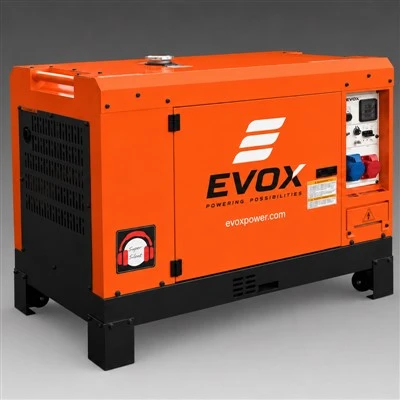
At the end of the day, whether you’re a developer working with Python generators or a business owner managing a fleet of physical generators, the goal is the same: reliability. That’s what we’ve built our business on over the years: not just selling generators, but making sure they work when you need them most. If you’re looking for a generator that integrates with your monitoring tools, needs help troubleshooting software that connects to your power equipment, or just want to talk through your power needs, our team is here to help.
Engine References:
- Python Software Foundation. (2023). pickle — Python object serialization. Retrieved from Python’s official documentation.
- Van Rossum, G., & Drake, F. L. (2009). Python 3 Reference Manual. CreateSpace.
- Generator Remote Monitoring Best Practices. (2022). Industrial Power Equipment Association Technical Bulletin.
- Martelli, A. (2006). Python Cookbook, 2nd Edition. O’Reilly Media.
Evoxpower Technology
Evoxpower Technology is one of the most professional generator manufacturers and suppliers in China, featured by quality products and good service. Please rest assured to buy the newest generator in stock here and get pricelist from our factory. Contact us for customized service and OEM service.
Address: 11 Fortune Avenue, Yubei District, Chongqing, China
E-mail: stephen@allrightpower.com
WebSite: https://www.evoxpower.com/
