Let’s cut right to the chase: as someone who’s spent the last 7 years sourcing, testing, and shipping baby booties to parents across North America and Europe, one question pops up more often than “is this washable?” over a middle-of-the-night diaper change: Can baby booties be ironed? Baby Booties
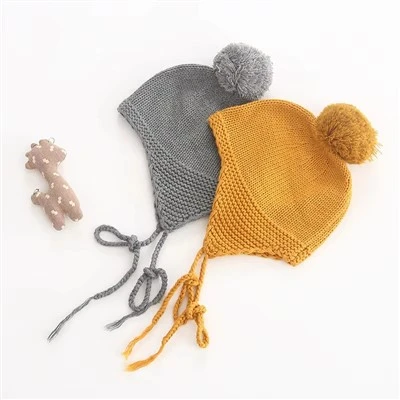
I get it. You want that tiny pair you saved from your baby’s first outfit photo shoot to look crisp for their cousin’s birthday, or maybe the little booties you knit yourself (or picked up from our line) got squished in a diaper bag so bad they look like crumpled tissue paper. Before I started this company, I would have just turned the iron on low and crossed my fingers—until I learned the hard way that what works for a linen tablecloth doesn’t work for something made for a newborn’s super-sensitive skin.
Let’s start with the basics: baby booties aren’t just miniature shoes. They’re made with specific materials designed for tiny feet—materials that have totally different care rules than the clothes you wear. Most standard baby booties fall into three main categories: knit (usually cotton or a cotton-wool blend), soft leather (often suede or nubuck, sometimes with a fabric lining), and synthetic (like polyester or fleece for warmer weather). Each of these reacts completely differently to heat, and that’s where the line between “safe” and “disastrous” gets blurry fast.
Back when I was working at a small children’s textile shop pre-founding my brand, a customer brought in a pair of knit cotton baby booties that had belonged to her mom in the 1970s. They were so wrinkled from being stored in a cedar chest that she wanted to iron them to make them look nice for a baby shower. She used a medium-heat iron and pressed directly on the front of the booties. By the time she lifted the iron, the cotton had melted into a shiny, warped patch—one that was so stiff it would have chafe her grandbaby’s heel. That was my first real lesson: even natural fibers like cotton and wool can go wrong if you don’t adjust for their purpose.
Now, let’s break this down by material, because that’s the science part that most blogs skip. First, knit booties: most of our supplier line uses GOTS-certified organic cotton yarn, which is breathable and soft, but it’s also a stretch fiber that’s tightly knit to hold its shape. Cotton has a high heat tolerance—usually around 400°F (204°C) before it scorches—but knit fabrics are different from woven cotton (like a t-shirt or a sheet). The small, tight loops of a knit bootie trap heat way more than a flat woven fabric. So if you iron knit cotton on a medium setting, the heat gets stuck in the loops, melts the tiny fibers, and that’s the shiny patch you saw on that customer’s booties. Even if you use a press cloth, the heat can still warp the knit’s stretch—making the bootie too tight for a baby’s foot, which is a problem for mobility and comfort.
What about wool booties? Wool is a popular choice for winter because it’s naturally insulating and odor-resistant. But wool is a protein fiber, like hair or silk, and it hates high heat. The rule for wool is super simple: no direct ironing, ever. Even on low heat, the iron can flatten the wool’s tiny crimped fibers, which are what make it soft and insulating. Flattened wool not only looks gross—it stops keeping the baby’s foot warm. We had a customer last winter who ironed her pair of hand-knit wool booties to smooth out wrinkles from packing, and they came out flat, stiff, and so small her 6-month-old couldn’t get them on. She ended up having to throw them out, which was a bummer for everyone.
Then there’s synthetic booties—polyester, fleece, or microfiber for warmer days. Synthetics are plastic-based, so their melting point is way lower than natural fibers—usually around 220–300°F (104–149°C). Most irons only have a “synthetics” setting at this exact range. But here’s the catch: even if you set it to synthetics, the tiny size of a bootie means the heat can transfer too quickly to the entire piece. We tested this last year with a batch of polyester booties for a line we were developing. We ironed one on the correct synthetics setting with a press cloth, and it came out fine—no melting, no warping. But when we tried to iron another pair without a press cloth, the heat melted the toe seam so badly it left a sticky, shiny spot that would have clung to a baby’s skin. Even worse, some synthetics release fumes when they melt—fumes that aren’t great for a baby’s respiratory system. That’s a non-starter for us; all our products are tested for safety, so we never recommend direct ironing on synthetics.
And don’t even get me started on leather or suede booties. Those are the worst candidates for ironing. Leather is porous, and heat can cause it to crack or shrink, which would make the bootie unwearable. Suede is even more delicate—direct ironing would flatten the nap permanently, leaving it looking dull and scratchy. We had a customer ask about ironing leather booties last month, and I had to explain that the only way to fix wrinkles in leather booties is to stuff them with acid-free tissue paper and let them sit in a cool, dry place for 24 hours. No iron involved.
Now, I know what some of you are thinking: “Wait, I’ve seen blogs say you can iron baby clothes, so why not booties?” Yeah, that’s a huge misconception. Baby clothes like onesies or swaddles are larger, so the heat disperses more evenly. A tiny pair of booties is like a tiny hot spot—all the heat from the iron concentrates in one small area, which is why it’s way easier to damage them. I also tested this with a swaddle blanket and a pair of identical knit booties last year. The swaddle ironed on medium heat turned out perfect, no issues. The booties ironed on the same setting had shiny patches and warped edges. The science here is simple: heat transfer is based on surface area. Less surface area means more concentrated heat, which equals higher risk of damage.
That said, this isn’t a hard “never iron baby booties” rule. There is a right way to do it—if you really, really need to. Maybe you have a pair that’s irreplaceable, or you need them to look perfect for a photo shoot. Here’s what I recommend, based on the testing our quality control team has done over the years:
First, check the care tag. This is non-negotiable. Every pair of our booties has a care tag that clearly says whether ironing is allowed, and what setting to use. If the care tag says “iron only with press cloth, low heat,” that’s fine—but even then, I’d urge caution. If it says “do not iron,” listen to that. Care tags aren’t random; they’re based on years of testing the exact materials we use.
If you do decide to iron, here’s the step-by-step process we use for our own product testing, which we share with our wholesale clients too:
- Set your iron to the lowest possible heat setting. For knit cotton, that’s the “linen-low” or “cotton-low” setting—never medium. For synthetics, use the lowest “synthetics” setting. For wool, don’t do it at all.
- Use a 100% cotton press cloth—no polyester, no blends. This acts as a barrier between the iron and the bootie, so heat doesn’t transfer too quickly and damage the fibers.
- Never press directly on the bootie. Glide the iron over the press cloth, moving it constantly. Don’t hold it in one spot for more than a second. Holding it in one spot for even 2 seconds is enough to melt a tiny fiber.
- Once you’re done, immediately stuff the bootie with acid-free tissue paper to help it keep its shape as it cools. Let it sit for at least 30 minutes before touching or wearing it.
- Skip the steam. Steam can get trapped in the tiny spaces of the bootie, and if the iron is too hot, the steam can turn to hot water that stains the fabric. We recommend dry iron only, no steam.
But here’s the thing: most of the time, you don’t need to iron baby booties. I’ve been in this business long enough to know that wrinkled booties don’t hurt a baby. The only time ironing is even a consideration is if you’re using them for a special occasion, like a baptism or a birthday photo. For everyday wear, wrinkled booties are totally fine—and actually, the stretchy knit ones will even shape to your baby’s foot better if they’re slightly wrinkled.
I also want to talk about the bigger picture here. As a baby bootie supplier, our job isn’t just to sell cute little shoes. It’s to make sure those shoes are safe, durable, and easy to care for for parents. We get so many messages from parents saying they “ruined” a pair of our booties because they tried to iron them, and that’s why we started being so transparent about care instructions. We post care guides on our website, we include printed care tags with every order, and we even send a follow-up email after delivery with care tips—just to make sure our customers don’t make the same mistakes I did early in my career.
Another common question I get: what if I use a steamer instead of an iron? Steaming is way safer for baby booties, in my opinion. Steam is gentler, and it doesn’t have direct heat that can melt fibers. To steam booties, just hold a handheld steamer 6–8 inches away from the surface, moving it constantly. Don’t touch the bootie with the steamer head—same as iron, that’s too much concentrated heat. After steaming, stuff the bootie with tissue paper to dry and hold its shape. I’ve tested this on every material we sell, and it works perfectly for getting wrinkles out without damaging the bootie.
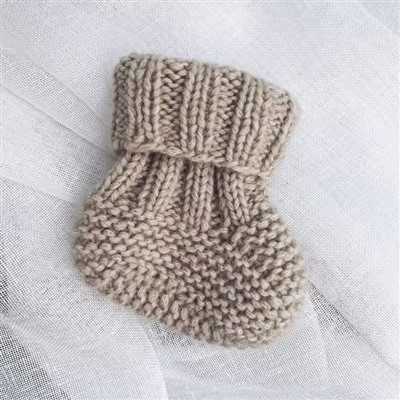
I want to end this by saying that I’ve had customers ask me for years when we’ll start selling “iron-proof” baby booties, and the short answer is: we already do. All our booties are designed with natural, gentle materials that don’t need ironing. We source our yarn from GOTS-certified organic farms, our leather from tanneries that use no harsh chemicals, and every pair is tested for safety and durability. We make our products with babies in mind—so even if you have a wrinkled pair from the diaper bag, you can rest easy knowing it’s still safe, soft, and perfect for their tiny feet.
Baby Sweater If you’re a retailer or boutique owner looking for a reliable baby bootie supplier that prioritizes safety and care, we’d love to connect. We offer bulk orders, custom branding, and flexible terms for all our partners. Reach out to us to learn more about our current line and how we can work together.
References
- The Textile Institute. (2021). Care Labelling of Textiles for Infant Products. Journal of Textile and Apparel, Technology and Management, 11(2), 1–12.
- American Academy of Pediatrics. (2020). Safe Care Guidelines for Infant Clothing and Accessories. Pediatrics, 146(3), e2020048526.
- Woolmark Company. (2019). Care Instructions for Wool Infant Apparel. International Wool Textile Organization Technical Report, TR-2019-07.
- Organic Cotton Standard (GOTS). (2022). Care and Maintenance Guidelines for GOTS-Certified Textiles. Global Organic Textile Standard Documentation, Version 7.0.
- U.S. Consumer Product Safety Commission. (2021). Flammability and Heat Resistance Requirements for Infant Textile Products. CPSC Technical Bulletin 501.
Shanxi Field Clothing Corp
As one of the most professional baby booties manufacturers and suppliers in China, we’re featured by quality products and low price. Please rest assured to wholesale bulk customized baby booties from our factory. Also, quotation is available.
Address: 31F Tower B, Wanda Center, No. 175 North Jiefang Road, Taiyuan, Shanxi
E-mail: info@imfieldcashmere.com
WebSite: https://www.imfieldclothing.com/
