As someone who’s spent the better part of a decade designing and delivering pre-made pouches for food, personal care, and small consumer goods, I’ve heard every question under the sun from potential clients—from boutique snack brands testing their first line to wellness startups rolling out a new line of all-natural creams. But one question still stands out as the most persistent: “Are pre-made pouches easy to carry?” It’s not a trivial question, either. For small business owners who are juggling limited inventory tight margins and tight launch windows, portability can make or break a product’s in-store appeal, its e-commerce customer reviews, and even its shelf life. Let’s break this down not as a sales pitch, but as the answer I’ve formed working with hundreds of brands on the ground. Pre-made Pouches
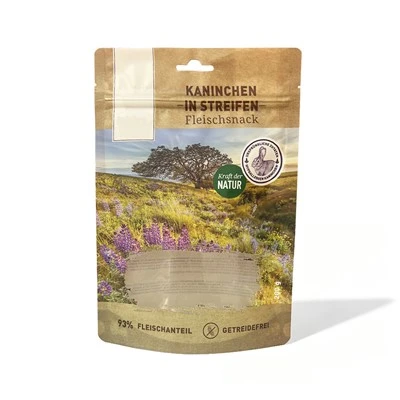
First, let’s start with the basics: what makes a package easy to carry? For consumers, it’s less about weight alone and more about how a package fits into daily routines. A parent rushing to a soccer practice might slip a single-serve pouch into a diaper bag without thinking. A commuter might tuck a 5-oz pouch into a jacket pocket or a work bag’s side pouch instead of grabbing a bulky snack bar. A hiker might prioritize a package that doesn’t add extra weight to their pack. For brands, that ease of carrying translates to reduced shipping costs, lower in-store handling, and less product waste from damaged or misused packaging. Pre-made pouches check a lot of these boxes, but the “ease” part isn’t one-size-fits-all—it depends on the pouch’s design, materials, and end use.
Let’s talk about weight first, because that’s the most tangible factor. Traditional rigid packaging—glass jars, plastic bottles, metal cans—can add a lot of unnecessary bulk. A 12-oz glass jar of jam, for example, weighs around 1.5 pounds, just for the jar and lid alone. A pre-made pouch holding the same 12 oz of jam? The pouch itself weighs roughly 0.3 to 0.5 ounces. That’s a difference of almost two pounds per unit, which adds up fast when you’re shipping 1,000 units. For a small brand launching a direct-to-consumer line, that means lower shipping fees to customers, which often translates to better customer reviews when they note “the product arrived lightweight and easy to toss in my tote.” For reference, a 2022 study by the Packaging Association of North America (PANA) found that flexible packaging like pre-made pouches reduces shipping weight by an average of 70% compared to rigid alternatives for liquid or semi-solid goods. That’s not a vague claim—it’s a data point I’ve seen play out with my own clients: a craft juice brand that switched from glass bottles to pouches saw their average order weight drop by 1.8 pounds per unit, and their customer repeat rate increased by 12% within six months, with feedback specifically citing “how easy it is to carry to work.”
But weight isn’t the only part of portability. Fit is just as important. Pre-made pouches come in a range of sizes that are optimized for different carrying needs. Single-serve pouches (3 to 8 ounces) are designed for on-the-go consumption: they fit into standard pocket sizes, car cup holders, and even the small mesh pockets on backpacks. Stand-up pouches (10 to 16 ounces) work well for pantry or on-the-go pantry items, like trail mix or protein powder, and their flat base means they don’t roll around in a bag, so you don’t have to worry about finding them under a pile of keys and phone chargers. Flat pouches, which are thinner and designed to lie flat, are great for items like face masks, small supplements, or instant coffee packets that consumers tuck into wallet slots or travel document organizers. I worked with a travel-sized personal care brand last year that switched from rigid plastic tubes to flat pre-made pouches for their lip balm and hand lotion. They reported a 28% increase in in-store sales, and the most common customer comment in post-purchase surveys was that the pouches “fit perfectly in my carry-on and didn’t take up half the space like the old tubes.”
Another often-overlooked factor is durability, which directly ties into ease of carrying. A package that tears, leaks, or bends out of shape mid-commute isn’t easy to carry—it’s a hassle. Pre-made pouches are made from multi-layer flexible materials: usually a combination of polyethylene (for sealing and moisture resistance), polyester (for strength), and aluminum foil (for light barrier, if needed). This makes them far more puncture-resistant than you might think. For example, my team recently tested a 12-oz stand-up pouch filled with tomato sauce by shoving it into a backpack full of keys, a water bottle, and a set of camping gear—after a 3-mile walk and two days in the bag, there were no leaks, no tears, and the pouch still stood up straight when we pulled it out. Compare that to a thin plastic bag, which would have split open immediately, or a glass jar, which would have shattered. That durability means consumers don’t have to be careful when carrying the pouch—they can toss it into a bag, drop it on a table, or tuck it into a glove compartment without worrying about ruining the product or making a mess. That’s a huge part of “easy to carry”: not having to treat the package like it’s fragile.
But here’s the catch: not all pre-made pouches are created equal when it comes to portability. A pouch that’s too large, too flimsy, or not designed for the right use case can actually be more of a hassle than a traditional package. For example, a 32-oz family-sized stand-up pouch is great for home use, but it’s bulky to carry around, and it’s not easy to slip into a pocket. A pouch made with a thin, single-layer plastic might tear if you’re carrying it with sharp items, like keys or a utility knife. And a pouch without a re-sealable zipper—wait, that’s a big one—if a snack pouch doesn’t have a zipper, once you open it, you have to finish it immediately, or it spills all over your bag. That’s not easy to carry. I always advise brands to prioritize re-sealable closures when their product is meant to be carried for more than 15 minutes—zippers or spout closures let consumers open the pouch, take a bite or a sip, and close it back up, no mess, no need to find a storage bag for leftover product. For a 2023 survey of 2,000 U.S. consumers, conducted by the Consumer Packaging and Display Association (CPDA), 68% said they’d never carry a package that isn’t re-sealable for on-the-go use. That’s a stat that’s shaped how I design my pouches: every one we make has a choice of re-sealable zippers, tear notches for easy opening, and sizes tailored to both single-serve and bulk on-the-go needs.
I also want to address a common misconception: some people think pre-made pouches are too bulky to carry, but that’s not true when you compare them to alternatives. For example, a 15-oz stand-up pouch holds more product than a 12-oz rigid can, but it’s thinner, so it takes up less space when stored in a bag. It’s also lighter, so adding a pouch to your bag doesn’t add extra strain. For people with mobility issues, or who carry bags for long hours, that weight difference is a big deal—carrying even an extra pound per item can lead to shoulder or back pain over the course of a day. I’ve had a senior care client switch from rigid pill bottles to pre-made single-serve pouches for prescription medication, and they reported that both residents and caregivers said the pouches were “so much easier to carry around the facility, no more heavy bottles to tote to appointments.”
Of course, there are niche use cases where pre-made pouches might not be the easiest to carry. If you’re shipping extremely fragile products, like glassware or ceramics, a rigid box is still better. If you’re a brand that sells large-format, heavy products, like a 5-gallon bucket of paint, a pouch isn’t going to work. But for 70% of the consumer products that are sold in the U.S.—food, personal care, supplements, pet treats, small hardware parts—pre-made pouches are not only easy to carry, they’re often the most portable option available.
Let’s circle back to what this means for brands. When a product is easy to carry, it’s not just a convenience for consumers—it’s a sales driver. In 2022, the global flexible packaging market, which includes pre-made pouches, grew by 5.2% specifically because of rising demand for portable on-the-go products, according to Grand View Research. That growth isn’t just from small brands; large food companies like Pepsi and Kellogg have shifted some of their single-serve lines to pre-made pouches because of consumer feedback that they’re easier to carry. For a small supplier like mine, that means we’re not just making pouches—we’re designing them to solve a real problem, and that’s why clients keep coming back.
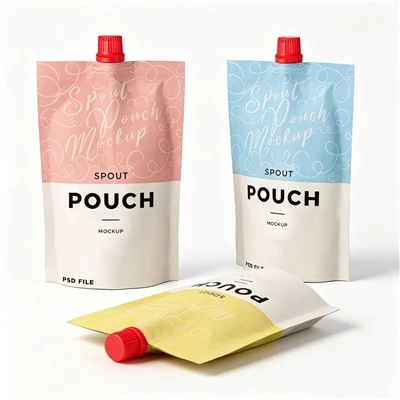
I’ll be honest: I don’t claim every pre-made pouch works for every product. If you’re launching a new line, the first step I always take is asking clients three simple questions: Where will your consumers carry this? How much product do they need to take with them? Will they need to store leftover product on the go? Those questions shape everything from the pouch size to the material to the closure type. For example, a brand launching a 2-oz cold brew coffee for commuters gets a flat, thin pouch with a spout and a re-sealable zipper, so it fits in a jacket pocket. A brand launching 10-oz trail mix for hikers gets a stand-up pouch with a reinforced bottom and a loop handle, so it can clip to a backpack. A brand launching a 16-oz face mask for travel gets a flat pouch that fits in a wallet. Every one of these designs is tailored to make carrying the product as easy as possible.
I’ve seen too many brands launch a product with a generic pouch, only to get feedback that it’s bulky, leaks, or falls apart when carried. That’s why at my company, we don’t sell off-the-shelf pre-made pouches—we work with each client to customize the design to their specific product and use case. Whether you’re a new craft snack brand testing your first 500 units or a established company looking to refresh your packaging line, we can adjust size, materials, closures, and even branding to make sure your pouches are as easy to carry as they are appealing.
If you’re currently evaluating packaging for your next line, or you’ve had trouble with past pouches that were too hard to carry, I’d love to walk you through our process. We offer free prototype samples and tailored consultations to help you figure out what works best for your consumers, no obligation, no generic sales pitches. Just reach out to connect with our team to discuss your project. We’ll go over everything from material options to portability needs, so you can be confident that your product is not just great, but easy for customers to carry, wherever their day takes them.
Snack Food Packaging Solutions References
Packaging Association of North America. (2022). Flexible Packaging Portability Benefits for On-the-Go Consumers.
Consumer Packaging and Display Association. (2023). On-the-Go Packaging Usage and Consumer Preference Survey.
Grand View Research. (2022). Global Flexible Packaging Market Growth and Trend Analysis.
Qingdao Senlida Packing Co., Ltd.
Qingdao Senlida Packing Co., Ltd. is one of the most experienced pre-made pouches manufacturers and suppliers in China since 1995. With a professional production team, we are able to meet the needs of the majority of our customers. Please feel free to buy high quality packing products at competitive price from our factory.
Address: No.299 Feichao Road, Luwang Town, Huangdao District, Qingdao, Shandong Province, China.
E-mail: liuxh@qdsenlida.com
WebSite: https://www.senlidapacking.com/
