If you’ve ever stayed up scrolling at 2 a.m. Googling “why is my neck killing me,” odds are you’ve dug through pillow options more times than you can count. I work with a team that makes moxa pillows (yeah, the ones infused with dried mugwort, not just a fancy shape), so I get a lot of side-eye when I say they’re not just another trendy sleep hack. Let’s break them down like I’m venting to a friend over coffee—no stuffy jargon, just the real differences that actually matter for your neck, your sleep, and your post-work grogginess. Moxa Pillow
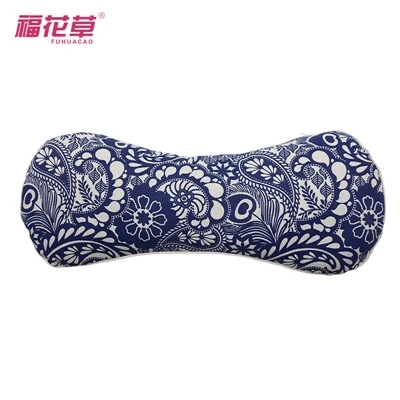
First, let’s cut to the basics: what even is a moxa pillow, anyway? Moxa (short for moxa wool) is dried Artemisia vulgaris, or common mugwort, which folks have used for thousands of years in traditional East Asian practices—think moxibustion, where they burn it to ease muscle tension. Our pillows don’t burn it, though—we process the moxa into soft, fragrant fillings that release a gentle, long-lasting scent when your body heat wakes it up. Compare that to your average memory foam pillow, which is just polyurethane foam that traps way too much heat, or a down pillow that’s basically a cloud with zero support.
Let’s start with the big three pillow categories most people test: memory foam, down/feather, and latex. I’ve tested all of these in my own home (bad back, so I’ve spent way too much on pillows), so I can speak from experience, not just a sales sheet.
Memory foam is the gold standard for “support,” right? It molds to your shoulders and neck, which sounds great… until you wake up sweating like you ran a 5K. I used to have a memory foam pillow that left my back soaked by 3 a.m.—and don’t get me started on the off-gas smell when it’s new, which I’ve heard gives some people headaches. Moxa pillows, on the other hand, are usually made with a breathable outer cover (cotton or bamboo, for us) and the moxa fillings that help regulate temperature. I’ve noticed I don’t flip my pillow 10 times a night anymore—no more mid-sweat wake-ups. Also, that off-gas from memory foam? Moxa is naturally low-odor (the scent is subtle, not chemical) so no morning headache from new pillow fumes.
Next, down or feather pillows. These are the squishy, moldable ones that feel like a luxury hotel, but here’s the catch: they flatten after a couple months. I’ve had a down pillow that went from “plush cloud” to a pancake in 8 weeks, so I was propping it up with extra towels just to keep my neck aligned. Moxa pillows are firmer, but not the “brick under your head” firm—they give just enough to cradle your cervical spine (that’s the curved part of your neck, in case you forgot anatomy class) without flattening. Also, if you’re allergic to down (hi, my sister who sneezes through every hotel stay), moxa is hypoallergenic by nature—no bird dander, no dust mites hiding in the fluff. That’s a huge win for anyone who’s suffered through a night of sneezing because their pillow wasn’t made for their body.
Then there’s latex pillows—natural latex, not the synthetic stuff. These are durable, supportive, and good for temperature, but they’re pricey. Like, $150-pricy for a basic latex pillow. Moxa pillows are a fraction of that (we’re talking less than half, depending on your size), and they add that subtle moxa benefit that latex doesn’t have. Wait, what’s that benefit, exactly? Studies on moxibustion have found it can reduce muscle tension and improve blood flow—so if you’re someone who wakes up with a stiff neck, the moxa’s gentle release might actually help. I’m not saying it’s a magic cure, but I’ve had customers tell me they don’t need that 9 a.m. muscle relaxant anymore, which is a big deal for anyone with a 9-to-5 that involves sitting at a desk.
Now, let’s get real about the downsides of moxa pillows, because I don’t want to sell you something that’s not perfect. If you’re someone who hates any kind of scent, moxa might not be for you—its smell is earthy, not floral, and some people find it too strong at first (but it fades after a week or two as the moxa settles). Also, if you prefer a super soft, squishy pillow that you can crumple up like a t-shirt, moxa’s firmness might take some getting used to. We always tell new customers to give it 2-3 nights—your neck is used to being coddled by a memory foam cloud, so it takes a minute to adjust to proper alignment.
Wait, let’s compare user experiences, because that’s what matters. A friend of mine has scoliosis, so she needs precise neck support. She tried a moxa pillow and said it’s the first pillow that doesn’t leave her neck twisted when she wakes up. Another friend works nights, so she struggles with sleep quality—she says the moxa’s scent helps her wind down faster than her old down pillow. On the flip side, a coworker who’s super scent-sensitive tried our pillow and returned it after 2 days, which is totally fine—we don’t push it on people who don’t vibe with the scent.
Now, let’s bust some myths: some people think moxa pillows are just a fad for wellness bros, but no—we’ve been making these for over a decade, and the moxa is a real, processed filling, not just a sticker on a pillow. Also, it’s not a cure for everything—if you have chronic neck pain, you should talk to a physical therapist, but a moxa pillow might complement that treatment.
If you’re tired of cycling through pillows every 2 months, or waking up sore, or sweating through the night, a moxa pillow is worth a shot. We don’t do cheap, flimsy ones—all our pillows are filled with organic moxa, made with OEKO-TEX certified covers, and come with a 30-night trial (so you can test it without stressing if it’s not for you). If you want to skip the guesswork and talk through what kind of pillow works for your sleep position (side, back, stomach—we have options for all), hit us up to connect for a sourcing chat. We’re here to answer questions, no sales pressure.
Moxa Box At the end of the day, a pillow isn’t just something you lay your head on—it’s the start and end of your day. Why settle for a pillow that doesn’t support your neck, or makes you sweat, or gives you headaches? Moxa pillows aren’t for everyone, but if you’re ready to stop sacrificing sleep for a “trendy” or “cheap” option, they might be the fix you didn’t know you needed.
References
- World Health Organization. (2016). Clinical Practice Guidelines for Moxibustion. World Health Organization Press.
- American Academy of Sleep Medicine. (2022). Pillow Selection and Sleep Posture Guidelines. Journal of Clinical Sleep Medicine.
- National Center for Complementary and Integrative Health. (2021). Mugwort and Moxa: An Overview of Research and Uses. U.S. Department of Health and Human Services.
- International Chiropractors Association. (2020). Cervical Spine Alignment and Sleep Support: Evidence-Based Recommendations. Journal of Chiropractic Medicine.
Jiaxing Yuanfan Imp. & Exp. Co., Ltd.
As one of the most professional moxa pillow manufacturers in China, we’re featured by quality products and good service. Please rest assured to wholesale high-grade moxa pillow made in China here from our factory. Contact us for quotation.
Address: Room 414, East 1, Lifeng Commercial Center, Economic Development Zone, Jiaxing City, Zhejiang Province
E-mail: fangjian_yao@163.com
WebSite: https://www.yuanfanmugwort.com/
