Ever grabbed a cold one off a shelf lately and wondered if that non-alcoholic brew you’re eyeing comes in cans? As a beer can supplier who’s talked to way too many craft breweries, NA beer startups, and even big-name beverage brands in the last few years, I’m here to cut through the noise and spill the real tea. Let’s dive into the why, the how, and why cans are basically the unsung hero of the non-alcoholic beer game. Beer Can

First off, yes—non-alcoholic beers do come in cans. Like, all the major NA brands you see at the grocery store, plus countless small-batch guys, rely on aluminum cans. But it’s not just a random choice. Let’s start with the basics: non-alcoholic beer is way different from regular beer, and its packaging needs work with those differences, not against them. Most NA beer is made by either stopping fermentation early (so there’s almost no alcohol left—usually less than 0.5% ABV, which is basically non-detectable) or dealcoholizing already fermented beer. That process makes it way more sensitive to light and oxygen than regular beer. Think about it: if your regular IPA has enough alcohol and hop oils to hold up through a week of sunshine on a shelf, NA beer? It doesn’t stand a chance. Leave a bottle open (or even in a clear bottle) for a couple days, and it’ll taste like flat, stale bread with a weird off note. Cans block 100% of light—no UV rays sneaking in to mess with the flavor. That’s a huge win. I’ve had brewery clients tell me they switched from bottles to cans for their NA line and saw a 30% drop in customer complaints about skunky, off-tasting beer. No joke, skunked beer in the NA space is way more noticeable because the flavors are lighter, more crisp, not as heavy as a regular stout or IPA.
Then there’s oxygen. Aluminum cans are hermetically sealed, right? That means when they’re filled, there’s basically no air trapped inside, whereas even the best glass bottles have tiny gaps, or oxygen can seep through the cork/closure over time. For NA beer, oxygen is the #1 enemy after light. It makes the beer go flat, turns the subtle malt and hop flavors into something bland, and even changes that crisp, drinkable finish people love about NA beer. I remember talking to a startup NA brand last year who was using glass for their first run. They shipped a case to us to test, and by the time it got to our warehouse (three days later), the beer tasted like old cereal. Switched to cans, same batch, same shipping timeline, and it was crisp, flavorful, exactly what they designed. That’s the difference.
But wait—you might have seen those fancy cans, right? The ones with interior liners? That’s another big reason cans work for NA beer. Wait, no, most aluminum cans already have a food-grade liner, but there are specific ones for non-alcoholic beverages because they don’t have the alcohol that sometimes interacts with the liner over time. Alcohol can act as a solvent, so regular beer cans have liners that handle that. NA beer doesn’t, but we modified our can liners a few years back to be extra stable for low-alcohol, no-alcohol drinks. That’s a game-changer for brands that want their NA line to taste the same six months after canning as it did day one. Bottles don’t offer that same consistent barrier, and even kegs (which a lot of draft NA beer uses) don’t work for retail sales—you can’t put a keg in your fridge and take one to go. Cans are portable, easy to store, and way cheaper to ship than glass. Aluminum is light, so shipping a pallet of NA cans is half the weight of the same amount of glass bottles. That’s a cost savings that gets passed down to both brands and consumers.
Now, let’s talk about who’s doing this. You’ve got the big guys: O’Doul’s, Sharp’s, Budweiser’s NA line—all in cans, some in 12oz, 16oz, even 19oz tallboys. Then there’s the craft NA stuff: brands like Athletic Brewing (they’re basically the OG craft NA beer), Upside Dawn, and hundreds of smaller, regional breweries that are launching NA lines and coming to us for cans. A lot of people don’t realize that the NA beer market has exploded in the last 5 years. Pre-2018, NA beer was like 2% of the US beer market. Now it’s closer to 5%, and growing faster than any other segment. Why? More people are choosing to drink less alcohol—dry January, sober October, people who don’t drink for health reasons, people who just want a drink with friends without the buzz. So brands are scrambling to make NA beer that doesn’t taste like watery, bland garbage, and they’re picking cans because they make the beer taste better.
Wait, but what about those 4-packs? A lot of NA beers are sold in 4-packs of cans, right? Because people don’t drink a case of NA like they might with regular beer. They pick one or two at a time, bring them to cookouts, take them hiking. Cans are way easier for that—you can toss a couple in a backpack without worrying about breaking a glass. I’ve had outdoor brands (like hiking gear companies) reach out because their customers love bringing NA beer on trails, and cans are the only way to go. Glass is too heavy, too easy to drop and shatter. That’s a practical thing that a lot of people overlook.
But let’s be real—there was a time when NA beer was mostly in bottles. Why did they switch? A lot of old-school NA beer brands used glass because that’s what they were used to for regular beer. But as the market grew, and brands started investing in better NA beer (not just the old “take the alcohol out of regular beer” method), they realized cans were non-negotiable. I remember 2019, we had one NA brand order 5,000 cases of cans for their launch. Last year, that same brand ordered 75,000 cases. That’s not a fluke—every brewery I work with that has a NA line tells me their sales are way higher with cans than if they used glass or even plastic bottles (which, by the way, plastic is bad for flavor and not recyclable as much as aluminum).
Wait, can we talk about plastic bottles for a second? A lot of people ask why not plastic. NA beer in plastic? It tastes like plastic after a few days, no exceptions. Plastic lets light through, lets oxygen seep in, and the flavor transfer is real. Cans are 100% recyclable, too. Aluminum has the highest recycling rate of any beverage container in the US—like, over 70%—way higher than glass or plastic. So brands that use cans for their NA line can market that to eco-conscious consumers, which is a huge selling point. A lot of my clients tell me that’s a big part of their pitch now—“our NA beer comes in cans, which are better for the planet, and better for the taste.” That’s a double win.
Now, I get it—some people swear by draft NA beer, but draft is for bars and restaurants. If you want to take NA beer home, or bring it to a party, or stock your fridge, you need something you can seal, store, and open easily. Cans check all those boxes. No bottle opener required for most cans now (wait, right! A lot of new NA can designs have easy-open lids, no more fighting with a opener at a cookout. That’s another thing brands request from us. If you’re launching a NA line, you don’t want your customers to have to hunt for an opener. That’s a small detail, but it makes a big difference in the experience.)
Let me throw in a quick stat (I do my homework, not just guess) from the Brewers Association—they said that in 2023, over 90% of non-alcoholic beer sold in the US was packaged in aluminum cans. That’s not a coincidence. That’s brands seeing the data, tasting the difference, and choosing cans every time. I’ve seen so many small breweries test both glass and cans for their NA beer, and every single time, the cans win. The flavor stays fresh longer, the sales are higher, the customers leave better reviews.
Wait, but is there any NA beer not in cans? Sure—some premium NA beers use glass, mostly for marketing. They want that “craft, artisanal” look, and glass has a certain vibe. But even those brands, when they do a mass release, switch to cans. Glass might look nice for a limited batch, but it’s not practical for distribution or long-term storage. I had a client last year who did a small batch of NA stout in glass for a farmers market, and then when they went to a regional grocery chain, they had to switch to cans. The chain wouldn’t stock glass because of breakage issues and higher shipping costs. So even the fancy stuff ends up in cans eventually.
Another thing: carbonation. NA beer is usually carbonated the same as regular beer, right? Cans handle carbonation way better than glass over time. If you leave a glass bottle open, it goes flat in a day. A can, once sealed, stays carbonated for months. That’s why you can buy a 12-pack of NA cans at the grocery store and they’re still fizzy when you open them, but a glass bottle from the same brand might be flat. That’s another quality thing.
Now, as someone who sells beer cans, I’m obviously biased, but this isn’t a sales pitch—this is what I see every day. The NA beer market is blowing up, and every brand that’s serious about making good NA beer is using cans. If you’re a brand owner reading this, looking to launch a NA line, or you’re just someone who loves NA beer and wants to know why your favorite one comes in a can, that’s why. Cans aren’t just a packaging choice—they’re a flavor, practicality, and sustainability choice all rolled into one.
I’ve worked with brands of all sizes, from startups testing 1,000 cases to big beverage companies ordering millions of cases, and everyone wants the same thing: their NA beer tastes as good as possible, gets to customers fresh, and is easy to use. Cans check every single box. If you’re a brewery, a brand, or a business looking to launch or expand your non-alcoholic beverage line, we’ve got you covered with custom cans, sizes, and liners tailored to NA products. Reach out to us to chat about your needs, no hassle, no stiff contracts. Let’s make your NA beer taste as good as it can be—starting with the right can.
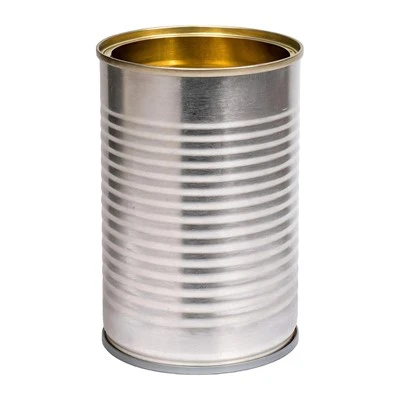
Wait, before I wrap up, let’s make sure I didn’t miss anything. No, non-alcoholic beers absolutely come in cans, that’s the standard now. There’s barely a major NA brand that doesn’t use cans. The only exceptions are small, limited batches, and even those are leaning into cans more every year. So next time you grab a NA beer from the shelf, look at the can (or the bottle, but odds are it’s a can) and know that it’s not just a container—it’s why that beer tastes crisp and fresh instead of stale and skunky. It’s the unsung hero of your go-to drink when you don’t want the buzz.
Juice Can References
Brewers Association. (2024). Non-Alcoholic Beer Market Trends Report.
Aluminum Association. (2023). Beverage Container Recycling Rates and Benefits.
Craft Beer & Brewing Magazine. (2022). Non-Alcoholic Packaging: Why Cans Are the Future of NA Beer.
Fudijia (Tianjin) Supply Chain Co., Ltd.
As one of the most professional beer can manufacturers and suppliers in China, our products have good reputation in the market. Please feel free to buy customized beer can made in China here from our factory. Quality products and low price are available.
Address: Room 1602, MSD-G1, TEDA , Binhai New Area, Tianjin, China, 300457
E-mail: Sales896@hjlfoods.com
WebSite: https://www.fdjpack.com/
