If you’re in the cosmetics game, you already know one tiny misstep can tank a whole batch of product—like that time a client called us panicking because their new serum had weird cloudiness and a weird, off smell, all because their old purification system cut corners on water quality. Let’s be real: water is like 60-70% of most cosmetic formulas (serums, toners, even some creams) so skipping the strict standards isn’t just a “process thing”—it’s a make-or-break for safety, shelf life, and brand reputation. As a purification system supplier, I’ve spent years diving into the exact specs cosmetics labs and factories need, so let’s break this down like we’re chatting over a snack (no stuffy jargon, promise). Purification System
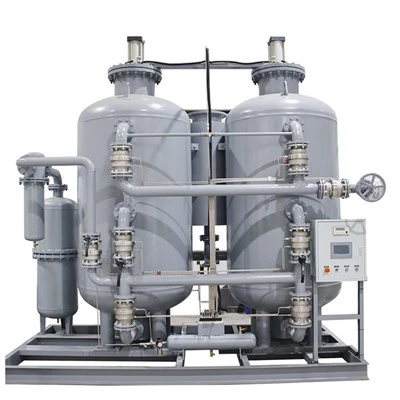
First, let’s start with the basics: not all purified water is made equal. For cosmetics, you can’t just grab tap water and call it “processed”—even tap that’s “city-safe” has random stuff that’ll ruin your product. Let’s walk through the non-negotiable water quality markers we test for every client, because cutting these corners is how you end up with a recall, not a viral product.
First up, total organic carbon (TOC). TOC is just a fancy way of saying all the carbon-based gunk in water—think pesticides from tap runoff, residual cleaning chemicals from old pipes, even little bits of algae that snuck into the supply line. For cosmetics, TOC levels need to be below 50 parts per billion (ppb) at minimum, and some premium formulas (like luxury serums or sensitive-skin products) ask for 10 ppb max. Why? That organic gunk feeds bacteria and fungi. If your water has high TOC, even if your purification system gets rid of most microbes, the leftover crud will make your product go bad in half the time—we’ve had a client a couple years back skip this, and their face mask batches went moldy before they even hit the shelf. Oops.
Next, microbial count. This is huge—way bigger than most people realize. Cosmetics are applied to skin, which is sensitive, so you can’t have random bacteria, yeast, or mold in the water. The standard we follow for most cosmetic products is a total aerobic microbial count (TAMC) below 10 colony-forming units per milliliter (CFU/mL), and total yeast and mold count (TYMC) below 1 CFU/mL. But wait—some clients making products for babies, or people with super sensitive skin, need even lower, like 1 CFU/mL total for microbes. The tricky part here is that even a single surviving microbe can multiply in your formula (especially if it’s a creamy, nutrient-dense one) and cause breakouts, infections, or just a funky smell. Our purification systems are built with two stages for microbes: reverse osmosis (RO) to get rid of big bugs, then ultrafiltration (UF) or ultraviolet (UV) light to zap the tiny ones that slip through. No cutting corners here—we test every system we set up for residual microbes, not just the water coming out.
Then there’s heavy metals. This is the stuff that’s usually hidden—tap water often has lead, arsenic, cadmium, and mercury, especially in older buildings or areas with industrial runoff. For cosmetics, these metals can mess up the formula’s stability and even be harmful if absorbed through skin. The max levels we target are: lead < 1 ppb, arsenic < 2 ppb, cadmium < 0.5 ppb, and mercury < 0.1 ppb. Why so strict? We had a skincare brand reach out last year because their eye cream was leaving little black specks—turns out their old filter was missing a heavy metal removal stage, and trace lead was reacting with the ingredients. Fixing that required a whole new purification set up, so we make sure our systems have activated carbon and ion exchange stages specifically for heavy metals, not just RO.
Now, what about pH? Cosmetic formulas have specific pH ranges—most face products are between 4.5 and 7, to match skin’s natural pH. If your water is too acidic (below 5) or too alkaline (above 8), it’ll throw off the formula’s balance. For purification systems, we aim for a neutral pH between 6.5 and 7.5, so it doesn’t mess with the product mix. If a client needs a specific pH, we can adjust, but the raw purified water has to hit that mid-range first—no exceptions. We’ve seen clients try to skip pH stabilization and then have to dump a whole batch of toner because it was too acidic and stung when applied. Not a good look.
Wait, let’s not forget particulate matter. Tiny particles—like rust from pipes, microplastics, or even tiny bits of sand—can mess up a product’s texture. For example, a serum that’s supposed to be silky will be gritty if there’s particulate matter, and a face mask’s texture will be off. We filter for particles down to 0.22 micrometers, which is small enough to catch almost all dust, rust, and microplastics. Some premium brands go even smaller, down to 0.1 micrometers, for their luxury products. I remember a high-end facial oil client who was having complaints about “gritty oil”—turns out their old filter was only catching particles larger than 1 micrometer, so tiny rust bits were slipping through. We upgraded their system, and the complaints stopped overnight.
Now, let’s talk about why these standards differ a little depending on the product. If you’re making a basic body wash or shampoo, you might be able to get away with slightly higher TOC or microbial counts (we usually suggest up to 100 ppb TOC for those, and TAMC up to 100 CFU/mL). But if you’re making something that goes on broken skin—like after-sun gel, acne treatments, or tattoo care products—you need way lower microbes, like TAMC below 1 CFU/mL, because any bacteria could cause an infection. And for oral care products (like mouthwash), it’s even stricter—TOC below 10 ppb, almost zero microbes, because you might swallow a little. Oh, and let’s not forget natural or organic cosmetics—they often use more plant-based ingredients that are more prone to microbial growth, so their water has to be extra pure to compensate.
Here’s the thing: a lot of small cosmetic brands try to save money by using cheap purification systems, like under-sink RO units made for home use. That’s a recipe for disaster. Home RO units aren’t built to handle consistent, high-volume flow (if you’re making 1000 bottles a day, you need a system that can pump out hundreds of gallons of purified water, not just a few gallons for your morning coffee) and they don’t have the extra stages for heavy metals or TOC that cosmetics need. I’ve had so many startup founders tell me “my home RO works fine for my small batch” but then call me a month later because their batches are failing stability tests. It’s like using a kitchen knife to cut a tree—wrong tool for the job.
As your purification system supplier, we don’t just sell you a machine and dip. We work with you to tailor the system to your specific products. For example, if you’re making baby skincare, we’ll add an extra UV sterilization stage and test for trace chlorine (wait, chlorine! I almost forgot chlorine—tap water has chlorine, and even a tiny bit can react with cosmetic ingredients to form weird byproducts. So chlorine levels need to be below 0.1 ppm, which our carbon filters take care of). For a premium serum line, we’ll add a reverse osmosis system with NF (nanofiltration) for extra organic removal, and continuous microbial monitoring so you don’t have to test every batch manually. We also do regular maintenance checks—filters need to be replaced every 6-12 months, depending on your water source—and we send our team to calibrate the system quarterly, because even a tiny dip in performance can mess up your water quality.
Let’s also touch on regulatory stuff, because cosmetics are super regulated (FDA in the US, EU Cosmetics Regulation 1223/2009, Health Canada’s Cosmetic Ingredient Hotlist, etc.). The standards we use—TOC <50 ppb, microbial counts <10 CFU/mL, heavy metals below those levels I mentioned—align with all these regulations, so you don’t have to worry about failing inspections. A lot of brands don’t realize that the FDA actually requires you to document your water quality, so if you’re using a sketchy purification system, you can’t prove your water is safe. Our systems come with digital logs that track TOC, microbial count, and flow rate, so you have all the documentation you need for regulators.
I know when you’re running a cosmetic business, cash flow is tight, and buying a purification system feels like a big expense. But think about it: if a single batch fails, that’s thousands of dollars lost, plus damage to your brand. We’ve had clients spend $5k on a cheap system then another $10k to fix the mess, while clients who invested in our tailored systems haven’t had a single water-related product issue in the last 5 years. It’s a long-term investment, not a cost.
Wait, one more thing: water source matters. If you’re on well water vs. city water, your purification needs change. Well water often has higher levels of heavy metals, iron, or sulfur, so we need to add extra stages like iron filtration. City water has chlorine and chloramines, which are bad for cosmetics, so our carbon filters take care of that. We do a free water test for every new client—we send a team to your facility to sample your raw water, run all the tests (TOC, microbes, heavy metals, pH, particulates) for free, then design a system that fits your needs and budget. No one-size-fits-all here, because every water source is different, every product is different.
So, let’s wrap this up. The water quality requirements for cosmetic purification systems aren’t just random numbers—they’re there to keep your products safe, shelf-stable, and effective, while helping you stay compliant with regulations. TOC below 50 ppb, microbial counts <10 CFU/mL, heavy metals at trace levels, pH 6.5-7.5, and particulates down to 0.22 micrometers. For sensitive products, even stricter. And forget the home RO units—invest in a system tailored to your products and water source.

If you’re looking to upgrade your purification system, or just need to ask questions about making sure your water is up to spec, hit us up for a procurement chat. We’ll walk through your exact needs, do that free water test, and make sure you’ve got a system that keeps your batches running smooth. No pressure, just real talk from someone who’s seen the good and bad of water quality in cosmetics.
Air Separation Unit References
- International Organization for Standardization. ISO 15798:2013, Cosmetics – Microbiological guidelines for water used in manufacturing.
- U.S. Food and Drug Administration. (2022). Current Good Manufacturing Practices (CGMP) for Cosmetics.
- European Commission. (2009). Regulation (EC) No 1223/2009 of the European Parliament and of the Council on cosmetic products.
- American Society for Testing and Materials. ASTM D5996-16, Standard Test Method for Total Organic Carbon (TOC) in Water.
- Cosmetic Ingredient Review Expert Panel. (2021). Safety Assessment of Water as Used in Cosmetics.
Xinxiang Jiale Intelligent Equipment Co., Ltd.
As one of the most professional purification system manufacturers and suppliers in China, we’re featured by quality products and good service. Please rest assured to buy durable purification system for sale here from our factory. We also accept customized orders.
Address: No.3913, 9th Floor, Unit 3, East Commercial and Office Complex, Baolong City Plaza, Hongqi District, Xinxiang City, Henan Province, China
E-mail: cc2397410@gmail.com
WebSite: https://www.jiale-asu.com/
