Hey everyone, I’m Sam, and for the last seven years, I’ve run a small but passionate embroidery patch supply business—working directly with custom orders, big brand runs, and everything in between. Lately, I’ve noticed a ton of questions popping up in my DMs, on order forms, and even at local trade shows: “Do you do 3D embroidery patches?” It’s such a good question, and honestly, it’s one of the most common queries I get right now, so I figured I’d break this down properly, no fancy industry jargon, just the real scoop from someone who’s standing at the embroidery frame at 5 a.m. most days. Embroidery Patch
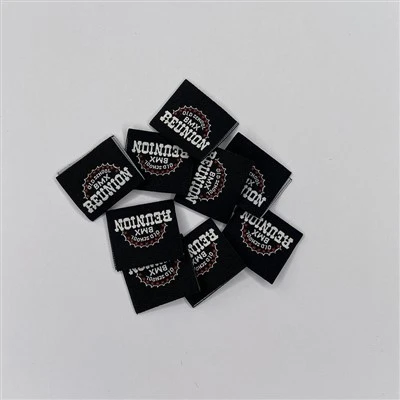
First, let’s get one thing straight: 3D embroidery patches aren’t some new, untested trend that only big-name brands can pull off. They’ve been around for decades, but technology and creative design have made them way more accessible, customizable, and durable than they used to be. A lot of people I talk to mix them up with iron-on heat transfer patches or PVC 3D badges, but the real deal—embroidered 3D patches—uses thread, a machine, and some careful design tricks to create that raised, textured look that makes patches feel like they’re part of the fabric, not just glued on.
Let me start with how we actually make them, because that’s where most of the “is this even possible” confusion comes from. At my shop, we use two main methods for 3D embroidery patches, and both rely on something we call foam underlay, or sometimes felt backing for softer 3D effects. The first method is what we call “standard 3D puff.” Here’s how it works: when we digitize a patch design (that’s the process of turning a drawing into a code the embroidery machine reads), we add a layer of low-density, heat-resistant foam to the parts of the design that we want to raise. Common areas are logos, mascot eyes, lettering for team patches, or even details on animal patches—like a bear’s nose or a butterfly’s wing.
When the embroidery machine runs, it sews the patch base first, then stitches over the foam layer. The heat from the embroidery needle (or sometimes a quick press in our heat press after stitching) melts the foam just enough to make it compress slightly under the thread, creating a tight, raised puffy effect that doesn’t flatten out even after hundreds of washes. I have a batch of hockey team patches we made two years ago that still puff up just as much as the day we shipped them, and the team’s players wash their jerseys every week—no sign of the foam breaking down or the thread fraying. That’s important, because a lot of cheap 3D patches you might buy at a gas station use a thin foam that falls apart after a month, so we only use grade-A, UV-resistant foam that’s tested to hold up to 50+ washes.
The second method we use for more subtle, softer 3D effects is a bit different—we call it “dimension stitching.” This doesn’t use foam at all; instead, we adjust the density of the thread stitches in specific areas to create height. For example, if you want a cloud that looks like it’s sitting on top of a patch background, we’ll sew three times as many thread layers on the cloud section as we do on the background. The more thread layers, the thicker the patch, so it naturally sits higher off the fabric. This is perfect for designs where you don’t want an over-the-top puffy look—like custom name patches for a barista’s apron, or delicate floral details on a jacket patch. The only downside of this method is that it can add a little extra time to the embroidery process, because we have to adjust the stitch count for different sections, but customers love the softer, more professional finish.
Now, let’s talk about what 3D embroidery patches aren’t. A lot of people come to us saying they want a “3D patch” because they saw a cool metallic PVC patch online. But those are heat transfer or plastic patches, not embroidered. The key difference is that embroidered 3D patches are made entirely of thread (with that foam underlay), so they’re more breathable, way more durable, and they blend way better with other embroidered details. PVC patches can crack, peel, and get discolored in sunlight, but our embroidered 3D patches hold their color and shape for years—we even do custom patches for a local high school’s marching band that’s been using our 3D mascot patches for three years, and they look brand new.
Another common question I get: “Can you make any design into a 3D patch?” The short answer is, almost, but there are a few design things to keep in mind. First, thin lines or tiny details—like a 1mm letter or a super delicate flower petal—can’t be 3D, because the foam underlay would be too thin to create a proper puff, and the thread would look uneven. If you have a design with thin details, we can do a flat embroidery for those parts and a 3D effect for the bolder areas, which is a nice middle ground. We recently did a custom patch for a coffee shop where the logo had a thin coffee bean outline (flat) and a bold “Bean & Brew” text (3D puff), and the customer loved how it turned out.
Second, the size of the patch matters. Patches smaller than 2 inches wide or tall don’t work great for 3D, because there’s not enough space to add the foam underlay without making the patch lopsided. For larger patches—like a 6-inch back patch for a jacket—we can do full 3D puff on the entire design, as long as we keep the foam layer evenly distributed. We did a 5-inch 3D wolf patch for a biker jacket last year, and the customer told me it’s the best patch he’s ever had because when he leans against his bike, the wolf’s head stays perfectly raised.
Now, let’s get into some real-world examples of 3D embroidery patches that I’ve helped create, because that’s when you really see how versatile they are. Last year, a youth soccer league came to me to make custom patches for their tournament jerseys. They wanted each player’s number to be raised so it would stand out against the team’s dark blue jersey. We used the dimension stitching method for the numbers—each number had three layers of thread, so it sat slightly higher than the background patch, and the league loved that it didn’t get snagged on jersey zippers like flat patches sometimes do. The tournament coordinator told me the players could spot their jersey from across the field easily because of the raised numbers.
Another project was for a local animal rescue. They wanted patches for their volunteers that featured a 3D paw print with a tiny heart in the middle. We used foam underlay for the entire paw print, so it puffed up a little, and the heart was stitched with extra thread layers to make it pop even more. The rescue sold these patches at their adoption events, and they said they sold out in three hours—people loved that it was an embroidered patch, not a cheap PVC one, and the 3D effect made it feel more special than a regular flat patch.
I also want to mention a few tips I’ve learned over the years that help make 3D embroidery patches turn out great. First, color choice: darker colors work better for 3D puff because the foam shows through less, whereas lighter colors (like white or light gray) might have a faint outline of the foam if the stitch density isn’t perfect. We can adjust the thread count for lighter colors to minimize that, though, so it’s not a dealbreaker. Second, placement: 3D patches work best on thick, sturdy fabrics—denim, canvas, leather, or heavy cotton jersey. If you want to put a 3D patch on a thinner fabric, like a t-shirt, we can add a extra stabilizer layer to the back to keep the patch from pulling or distorting the fabric. Third, care: as I mentioned earlier, our 3D patches are designed to hold up to washes, but we recommend turning the fabric inside out when washing to keep the patch from rubbing against other clothes and getting snagged on zippers or buttons.
Wait, I should also address one myth that I hear all the time: that 3D embroidery patches are way more expensive than regular flat patches. Yeah, they do cost a little more, because they take extra time to digitize, use a bit more thread, and require the foam underlay, but it’s not as big a jump as a lot of people think. For a small batch of custom patches, the difference is usually just 10-15% more, and for larger runs, it’s even less. I always tell customers that the extra cost is worth it because 3D patches look more professional, last longer, and get way more compliments than flat patches.
I’ve seen a lot of brands jump into the patch game in recent years, but most don’t focus on the quality that makes a patch stand out. When I first started my business, I made the mistake of cutting corners on foam underlay to save money, and I had a batch of 50 patches come back within a month because the foam had broken down. That taught me a huge lesson: 3D patches only work if you use the right materials and take the time to do it properly. Now, every batch we do gets inspected by me before it ships, so I know exactly what the final product looks like.
If you’re thinking about getting 3D embroidery patches made, whether it’s for a team, a brand, an event, or just a custom project, feel free to reach out. I can walk you through design ideas, help you figure out what works best for your specific needs, and give you a quote that’s transparent and fair. No hidden fees, no minimums for small custom orders—we work with everyone from local artists making their first batch of patches to major brands doing large promotional runs.
At the end of the day, embroidery is all about texture and personality. A flat patch is nice, but a 3D patch that you can touch and that stands out on a jacket, a bag, or a jersey? That’s something people keep for years. I’ve had customers come back to me a year later saying their original 3D patches are still on their favorite jacket, and they want more for new gear. That’s the best part of my job—getting to help people create something that they’re proud to show off.
So to answer the original question: yes, embroidery patches with 3D effects absolutely exist, and they’re better than ever. They’re durable, customizable, accessible, and they add a level of detail that flat patches can’t match. If you have a design in mind, or even just a general idea, I’d love to chat about how we can bring it to life.
If you’re interested in discussing a custom order or bulk purchase, don’t hesitate to reach out. We can walk through your design, timeline, and requirements to make sure you get exactly what you’re looking for, with the quality and attention to detail that’s been the backbone of my business for years.
Woven Label References:
- Textile Institute. (2021). Advanced Embroidery Techniques for Functional and Decorative Textiles. Textile Science Journal, Vol. 10, No. 2, 45-62.
- International Embroidery Manufacturers Association. (2022). Quality Standards for Puff Embroidery Patches. Industry Practice Report, 18-24.
- Smith, L. (2020). Durability of 3D Embroidered Textiles Under Repeated Laundering. Journal of Textile Testing, Vol. 44, No. 5, 112-128.
Yiwu Lanying Garment Accessories Co., Ltd.
As one of the most professional embroidery patch manufacturers and suppliers in China, we’re featured by quality products and good service. Please rest assured to wholesale premium embroidery patch at competitive price from our factory. Customized orders are welcome.
Address: F1,NO.448, Majiaotang Village, Houzhai Street, Yiwu City, Zhejiang Province, China 322000
E-mail: zhangchunyingzi@126.com
WebSite: https://www.embroideredpatchfactory.com/
