If you’ve ever worked in industries that rely on measuring fluid flow—like oil & gas, chemical processing, water treatment, or even food and beverage—you know how much a tiny miscalculation can throw off a whole operation. As a turbine flow meter supplier, I talk to people every week who are frustrated with flow measurement tools that are either too slow, too inaccurate, or impossible to calibrate without shutting down their whole process. That’s why turbine flow meters are such a game-changer, and I want to break down the real, practical advantages that make them stand out from other options, not just the marketing fluff. Turbine Flow Meter
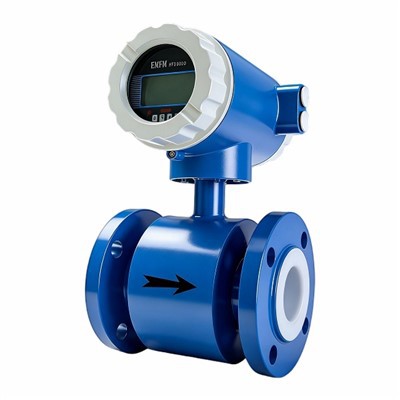
First off, let’s get one thing straight: accuracy is non-negotiable for most of our clients. Whether you’re pumping $100k worth of crude oil through a pipeline or dosing precise chemicals into a reaction tank, being off even 1% can cost you big time. Turbine flow meters hit an accuracy rate of up to ±0.5% (and sometimes even ±0.25% in clean, low-viscosity fluids), which is way better than many alternative tools like differential pressure meters or variable area meters I’ve seen. I remember a food manufacturing client last year who was using a different meter for their soft drink syrup lines; they were losing about $12k a month because the meter was overcounting, so they were wasting syrup. Switched to our turbine meters, and not only did they cut that waste, but they also reduced their overfill errors on bottles by 80%. That’s not just a small win—that’s direct savings, and it’s exactly what accuracy gives you.
Next, there’s repeatability. Accuracy is how close a measurement is to the true value, and repeatability is how consistent that measurement is every time you run the same flow rate. For processes that run on a set schedule, like batch processing, repeatability is make-or-break. If one batch of cleaning solution uses 100 liters of water and the next uses 108 liters because your meter is all over the place, you’re either making a solution too weak to clean properly or wasting water. Turbine flow meters are super repeatable—usually within ±0.1% or even tighter under ideal conditions. I’ve had a chemical plant client that runs 50+ batches a day; they told us their production time went down by 10% because they didn’t have to adjust for inconsistent flow measurements anymore. That’s the kind of consistency you can’t get with clunkier meters.
Now, let’s talk response time. Some processes, like transient flow events in pipelines or rapid dosing in pharmaceuticals, change fast. Traditional meters can take a few seconds to pick up on that change, but turbine meters react in milliseconds. Why? Because their mechanism is simple: a rotor (turbine) spins at a speed directly proportional to the fluid’s velocity. A pick-up sensor (usually a magnetic one) counts the rotor’s revolutions, so it can adjust in real-time. I had a pipeline operator who was dealing with slugs of fluid—unexpected bursts of flow that come with crude oil transport. They were losing product and risking pipe damage because their old meter couldn’t track the slugs fast enough. Switched to turbine meters, and they caught every slug, adjusted their pumping rates on the fly, and cut their product loss by 15%. That speed isn’t just a nice feature; it’s a safety and profitability thing.
Don’t sleep on the rangeability, either. Rangeability is the ratio of the maximum flow a meter can handle to the minimum flow it can still measure accurately. A lot of industrial processes have varying flow rates—like a plant that runs at 20% capacity overnight and 100% during the day. If your meter can only handle a narrow range, you’re either underutilizing it at low flow or overworking it at high flow. Turbine flow meters have a rangeability of up to 10:1, and some even hit 20:1. That means you can use one meter for a huge range of flow rates without losing accuracy. I had a water treatment client who was using three different meters for high, medium, and low flow; switching to turbine meters let them get rid of two of those, saved them money on installation and calibration, and simplified their maintenance. That’s a big cost saver that people overlook at first.
Now, let’s get to something that matters a lot to plant managers: ease of use and low maintenance. A lot of flow meters require regular calibration, special tools, or full shutdowns to service. Turbine flow meters? They’re pretty straightforward. For most clean fluids, you only need to calibrate them every 12 to 24 months, and you can often do inline calibration without taking the meter out of the line—no need to drain the whole pipeline, which saves hours of downtime. Also, their design is simple: just a rotor, bearings, and a pick-up. Unlike ultrasonic meters that can get confused by air bubbles or differential meters that have lots of moving parts to jam up, turbine meters don’t get bogged down as easily—especially if you get the right model for your fluid. I’ve seen clients who switched from positive displacement meters, which have tons of gears and seals that wear out fast, cut their maintenance time by 70%. That’s less downtime, less replacement parts, and more money in their pockets.
Wait, but I should be real here—turbine meters aren’t perfect. They work best with clean, low-viscosity fluids. If you have dirty fluids with lots of solids (like raw wastewater), the rotor can get clogged, and high-viscosity fluids (like heavy oil or molasses) can slow down the rotor too much, throwing off accuracy. But that’s why we customize them: we have models with different bearing materials (like ceramic for dirty fluids) and sizes tailored to your viscosity. A lot of suppliers will just send you a one-size-fits-all, but as someone who’s worked with these meters for years, I know matching the model to your specific fluid makes all the difference. That’s why our team spends time talking through your process before suggesting a meter, not just pushing the most expensive one.
Another big plus: they work with all the data stuff that’s standard now. You don’t have to buy a separate transmitter or controller to get flow readings—most turbine meters have digital outputs (like 4-20 mA, Modbus, or HART) that plug right into your existing SCADA system. So you can track flow rates in real-time, set up alerts if something’s off, and even automate your processes. A pharmaceutical client we worked with needed to document every single fluid dose for FDA compliance; their old meter only gave a analog reading, so they had to log it manually, which was prone to errors. Switched to our turbine meters, and the system automatically logged every measurement, cut their documentation time by 90%, and passed their audit with zero issues. That’s the kind of digital compatibility that makes them fit into modern operations.
Let’s also talk about initial cost, because I know price is a big factor. Yeah, turbine meters might cost a little more upfront than some basic variable area meters, but when you add up the savings from less waste, lower maintenance, and less downtime, they pay for themselves fast. I’ve had clients tell us they recouped the extra cost in 6 to 12 months. One ethanol plant client was using cheap meters that broke every 6 months; switching to turbine meters meant they spent less on replacements and didn’t have to shut down their distillation line every time a meter broke. It’s not just the sticker price—it’s the total cost of ownership, and turbine meters blow other options out of the water there.
Now, I know a lot of people in this space have had bad experiences with suppliers who overpromise and underdeliver. That’s why our approach is different: we don’t just sell meters, we help you pick the right one for your process. We’ve been in this industry long enough to know that a turbine meter that works great for oil might not work for food-grade syrup, so we ask questions like what fluid you’re measuring, what flow rates you run, and how often you need to calibrate. No one-size-fits-all, no hard sells.
If you’re tired of flow meters that are inaccurate, break often, or don’t fit your modern automation needs, let’s talk. We can walk you through your specific process, answer any questions you have, and help you find a turbine flow meter that fits your budget and your goals. Whether you’re a small operation looking to upgrade or a big plant needing to replace old meters, we’re here to make it easy.
Digital Sensor References
- Miller, R. W. (1996). Flow Measurement Engineering Handbook (3rd ed.). McGraw-Hill Education.
- Spitzer, D. W. (2001). Industrial Flow Measurement (2nd ed.). ISA.
- International Organization for Standardization. (2018). ISO 9951: Measurement of fluid flow in closed conduits – Turbine flowmeters. ISO.
- Li, Y., & Wang, H. (2020). Performance analysis of turbine flow meters for clean and industrial applications. Journal of Flow Measurement and Instrumentation, 75, 101745.
Dalian Yheng Technology Co., Ltd.
Dalian Yheng Technology Co., Ltd. is one of the leading turbine flow meter manufacturers and suppliers in China, also supports customized service. We warmly welcome you to buy high quality turbine flow meter in stock here from our factory. Contact us for more details.
Address: F1605, NO.10 Huoju road, High-tech Industrial Zone, Dalian, China
E-mail: admin@dlyheng.com
WebSite: https://www.yhengphmeter.com/
