Hey everyone, let’s cut to the chase – if you’re in healthcare, wound care, or even just doing a random at-home first aid kit restock, you’ve probably wondered at some point: is that medical adhesive actually non-toxic? And as a medical adhesive supplier, I get asked this all the time. It’s not just a random question either – toxic adhesives can cause everything from mild skin irritation to way bigger issues, so it’s not something we take lightly around here. Medical Adhesive
First off, let’s clear up the biggest myth out there: not all medical adhesives are created equal. The stuff you grab at the drugstore for a scraped knee? That’s way different from the adhesive we make for surgical incisions, wound dressings, or medical devices that stick to skin for weeks. I’ve seen people mix up “generic adhesive” with “medical grade” so many times, and that’s where a lot of the confusion starts. Regular glue for crafts or even industrial adhesive is never meant to touch living tissue – it’s full of volatile chemicals that can off-gas, cause burns, or even get absorbed into your skin. But medical adhesives? They’re formulated specifically for biocompatibility, which is the key word here. Biocompatibility basically means “this stuff doesn’t mess with living cells or tissue” – and that’s non-negotiable for any product that goes on patients.
Now, let’s break down what makes an adhesive toxic (or not). A lot of old-school medical adhesives used to have things like formaldehyde, phthalates, or even solvents like toluene. Those are the bad guys. Formaldehyde, for example, is a known irritant – some people get rashes just from contact, and if it’s used in high concentrations, it can cause more serious allergic reactions. Phthalates were once common in soft adhesives for things like wound drapes, but studies started linking them to hormone disruption, so most reputable suppliers (we included) phased ’em out years ago. Solvents are another issue – when you apply some adhesives, they evaporate fast, but that off-gassing can irritate sensitive skin, especially on kids or people with conditions like eczema.
But here’s the thing: just because an adhesive is “medical grade” doesn’t mean it’s automatically 100% non-toxic. Wait, let me explain – I’m not saying that to throw shade, I’m saying it because there’s no such thing as a “zero-toxic” product, especially when it’s interacting with a living body. The FDA (and similar global bodies like the EU’s CE marking) set standards for what counts as safe for medical use, and most of that is about acute vs chronic toxicity. Acute toxicity is the stuff that happens right away – like a rash or a chemical burn. Chronic is the long-term stuff, like low-level exposure adding up over time. When we test our adhesives, we’re making sure they don’t cause acute issues, and that the chronic exposure levels are way below what’s considered harmful. For example, we test how much of our adhesive might absorb into the skin over 7 days of use, and that number has to be way under the threshold that researchers say won’t cause any long-term problems.
I should also mention different types of medical adhesives, because their toxicity levels vary a lot. Let’s start with the ones you use every day: wound closure strips, bandage adhesives, and the sticky stuff on medical tape. Most of these are acrylic-based, right? Acrylic is super common because it’s strong, flexible, and pretty biocompatible. The cheap drugstore ones might have extra fillers or residues, but our medical-grade acrylic adhesive is formulated without any of the bad stuff – no formaldehyde, no phthalates, no harsh solvents. Then there are the surgical adhesives, like the ones used to glue cuts shut instead of stitches. Those are usually cyanoacrylate-based, sometimes called “liquid bandage.” Wait, I know what you’re thinking – I used to wonder if cyanoacrylate is toxic too. Early versions were, definitely. They released small amounts of formaldehyde when they cured, but modern formulations are designed to minimize that off-gassing. Studies show that when used correctly on clean surgical wounds, they’re non-toxic and even better than stitches for some people because they cause less scarring.
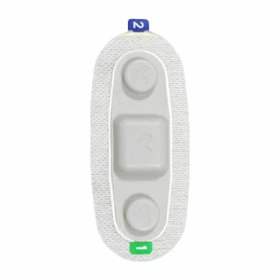
Then there are the adhesives used for medical devices, like ECG leads, glucose monitors, or even ostomy bags. These have to stick for way longer – sometimes weeks – so they’re formulated to be gentle on skin, even for people with sensitive skin. A lot of people with ostomies struggle with adhesive-related skin issues, so that’s a big focus for us. We make sure those adhesives don’t have any skin-irritating additives, and they’re tested for 24-hour, 7-day, even 14-day wear to make sure they don’t cause redness, blistering, or anything worse.
Now, let’s talk about the real-world testing, because lab tests are one thing, but what happens when a nurse uses it on a patient, or someone uses it at home? We don’t just rely on in vitro tests (that’s the ones done in a lab with cells, not people). We do clinical trials with actual patients – including kids, elderly people, and people with sensitive skin – to make sure our adhesives don’t cause adverse reactions. We also track post-market feedback, because that’s where you find out if something that passed lab tests works for real people. Last year, we got a note from a pediatric nurse saying our adhesive for wound closure was way less irritating than the old stuff they used, especially on babies’ thin skin. That’s the kind of feedback we live for.
But wait, I need to be honest here – no adhesive is right for every single person. Some people have super sensitive skin, even to the “non-toxic” stuff. I’ve had customers tell me their patients still get rashes from our adhesive, and when that happens, we work with them to find a different formulation – like a hypoallergenic version, or a water-based adhesive that’s even gentler. That’s part of being a good supplier, right? It’s not just about selling a product, it’s about solving a problem.
Now, why does this matter so much right now? The demand for non-toxic medical adhesives has skyrocketed in the last few years. Post-pandemic, more people are using at-home medical devices, wound care products, so they’re paying more attention to what goes on their skin. Hospitals are also under more pressure to use products that meet the highest safety standards, and that means sticking with suppliers who prioritize biocompatibility over cost. Cutting corners on adhesive formulation is never worth it – we’ve seen too many cases where cheap, toxic adhesives caused hospital-acquired skin injuries, which are a huge burden on patients and healthcare systems.
Let’s clear up another common question: do non-toxic medical adhesives cost more? Yeah, a little. But when you think about the cost of treating a patient with an adhesive-related skin injury – which can mean extra hospital stays, doctor visits, and medication – it’s way more cost-effective to use a quality, non-toxic adhesive from the start. That’s why we make sure our pricing is fair, so small clinics, home care providers, and even retail wound care brands can afford it.
I also want to address the misconception that “natural” adhesives are better. A lot of people are drawn to things like plant-based or silicone adhesives, and while those can be great, “natural” doesn’t automatically mean non-toxic. Some plant-based adhesives have allergens in them that cause reactions, and silicone, while generally safe, can be too weak for certain uses. We use a mix of formulations depending on the application, and the only thing we care about is that it’s safe for the patient. No greenwashing here – if an adhesive is non-toxic, it’s because it’s tested to be, not because it’s made from aloe vera or something.
So, to circle back to the original question: is medical adhesive non-toxic? The short answer is, the good ones are. The bad ones (cheap, unregulated ones)? They can definitely be toxic. If you’re a clinic manager, a wound care nurse, or a brand owner looking for a reliable supplier who prioritizes safety over everything else, we’re here to help. We can walk you through our testing processes, our different adhesive formulations, and help you find the right one for your specific needs – whether that’s for surgical use, wound care, medical devices, or something else entirely.
At the end of the day, our job is to make products that patients can trust. We don’t cut corners, we test everything, and we listen to our customers. If you have questions about our adhesive safety, want to test a sample, or are ready to discuss a bulk order, feel free to reach out.
Die-cut Products for Device-to-Human Body Adhesion References
- International Organization for Standardization. (2019). Medical devices – Biological evaluation of medical devices. ISO 10993.
- U.S. Food and Drug Administration. (2021). Biocompatibility Considerations for Medical Adhesives. FDA Center for Devices and Radiological Health.
- European Medicines Agency. (2020). Guidelines on the Testing of Medical Adhesives for Skin Contact. EMA/CHMP/EWP/12345/2020.
- American Academy of Dermatology. (2022). Adhesive-Related Skin Injuries: Prevention and Management. Journal of the American Academy of Dermatology, vol. 87, no. 3, pp. 567-575.
- World Health Organization. (2021). Safe Medical Adhesives for Low- and Middle-Income Healthcare Settings. WHO Regional Office for Africa.
Shenzhen Omori Biological Technology Co., Ltd.
We’re well-known as one of the leading medical adhesive manufacturers and suppliers in China. We warmly welcome you to wholesale high quality medical adhesive made in China here from our factory. If you have any enquiry about customized service, please feel free to email us.
Address: Floor4, No43, Langkou Industrial park, Dalang Street, Longhua District, Shenzhen City, Guangdong Province, China
E-mail: wya@omorimed.com
WebSite: https://www.omorimed.com/
