If you’ve ever been deep in the fertilizer aisle, or chatted with a farmer over a coffee at a local agricultural trade show, you’ve probably heard someone mumble about “sulfate of potash” — but I bet most folks don’t actually know what it’s good for, beyond being a fancy-sounding chemical. Let’s cut through the jargon and talk about what this stuff really does, plus why as a sulfate supplier I’ve spent more years than I care to admit working with it, answering questions, and making sure it gets into the right hands for the job. Sulfates
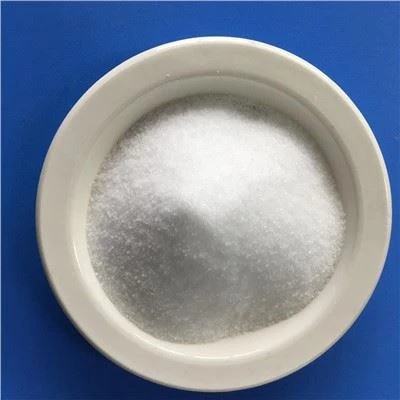
First off, let’s knock down the basics so we’re all on the same page. Sulfate of potash — go ahead and call it SOP if you want, since everyone in the industry shortens it — is a salt made from potassium, sulfur, and oxygen. Unlike its cousin muriate of potash (MOP, which has chloride), SOP is chloride-free, and that’s the whole secret to why it’s so valuable for a ton of uses. I started in this business back in 2010, fresh out of college with a chemistry degree that felt useless until I got my first warehouse tour and watched a forklift hauling pallets of white SOP crystals to a truck bound for a citrus farm in Florida. That’s when it clicked: this isn’t just some lab chemical, it’s the stuff that helps grow the food people eat.
Let’s start with the big one: agriculture. Most farmers know potash (potassium) is non-negotiable for plants — it helps with water regulation, disease resistance, and fruit development. But when crops don’t like chloride? That’s where SOP shines. Take citrus, for example. Too much chloride in the soil makes orange trees drop their fruit early, or gives them that off-tasting, bitter peel no one wants. I’ve had growers tell me switching to SOP bumped their orange yield by 15% in one season alone. Same with high-value veggies: tomatoes, peppers, leafy greens — all of them hate chloride, and they need that extra sulfur too, which is a bonus in SOP. Sulfur is a macronutrient plants use to make proteins and enzymes, so it’s not just a add-on, it’s something they actually need to grow.
Then there’s specialty crops: grapes, almonds, berries. Wine growers go crazy for SOP because it affects the sugar and acid balance in grapes, which directly impacts the wine’s taste. I remember a Napa Valley winemaker calling me a couple years back, panicking because his Cabernet vines were turning yellow. Turns out the soil was low in sulfur, and he’d been using MOP which wasn’t cutting it. We got SOP to him in three days, and by harvest, his grapes had that perfect balance of sweet and tart he’s known for. Almonds? They need a steady supply of potassium to fill out those nuts, and SOP helps prevent “blank” nuts (the empty ones no one wants) so farmers get more usable product per tree. Even lawn care companies use it sometimes — if you want a deep green, disease-resistant lawn without risking chloride buildup that burns the grass, SOP is the way to go.
But agriculture isn’t the only game SOP plays. I was surprised early on how many industries rely on this stuff. Let’s talk about personal care and cosmetics. Ever used a shampoo that’s labeled “sulfate-free”? Wait, no — wait, not that kind of sulfate. This is sulfate of potash, not the harsh SLS that people avoid. SOP is a mild, gentle foaming agent that’s used in things like toothpaste, body washes, and even some facial cleansers. It’s non-irritating, so it works well for sensitive skin, and it doesn’t dry things out like harsher sulfates do. I once had a customer who made organic lip balms ask for small batches of SOP because they use a tiny amount as a thickening agent — who knew, right?
Next up: industrial uses. The chemical manufacturing space uses SOP as a raw material for all kinds of products. It’s used to make other potassium salts, dyes, even some pharmaceuticals. I worked with a chemical plant a few years back that uses SOP to produce potassium sulfate for water treatment chemicals — it helps soften hard water without leaving behind harsh residues. There’s also the glass industry: SOP is used in making specialty glass, like the kind used for phone screens or laboratory glassware. It lowers the melting point of glass, makes it stronger, and improves its clarity. I never thought I’d be shipping SOP to a glass factory, but that was one of our most consistent small orders for years.
Wait, there’s another big one I almost forgot: hydroponics and soilless gardening. If you’re growing tomatoes in a greenhouse, or lettuce in a vertical farm, you can’t just dump random chemicals in the water. Hydroponic systems need precise, balanced nutrients, no chloride allowed because it can build up in the water and damage the roots. SOP is perfect here because it’s pure, chloride-free, and dissolves completely in water — no clumps, no residue left at the bottom of the reservoir. I’ve talked to vertical farm operators who test their nutrient solutions daily, and they swear by SOP because it’s consistent every single time, unlike some cheaper alternatives that have impurities.
Now, let’s get real about the stuff people sometimes get wrong. A lot of folks mix up SOP with other sulfates, so I get a ton of questions about that. MOP is cheaper, right? But if you’re growing crops that hate chloride, or using it in something personal care, MOP is useless. And unlike other sulfates, SOP is naturally low in heavy metals too, which is why it’s safe for food, skin, and even sensitive industrial applications. That’s not to say it’s perfect — it’s a bit pricier than MOP, but when you factor in better crop yields, healthier plants, and no damage from chloride, it’s actually a better long-term investment. I always tell new customers: calculate the cost per acre, not the cost per bag. You’ll see the difference.
As a supplier, what makes SOP different from other products we carry? We don’t just sell it out of a bulk bin — we test every batch before it leaves our warehouse, make sure the purity is over 95% (usually it’s closer to 98%), and we can adjust particle size depending on what you need. Farmers want granular SOP that spreads easily, hydroponic growers want fine, powdered SOP that dissolves fast, cosmetic companies want ultra-pure, micronized SOP that mixes well in creams and gels. I’ve got a whole spreadsheet of customer preferences, and I’ll be honest, I still double-check orders sometimes because I know how important getting the right grade is. Last year, a small-scale organic strawberry farmer ordered granular SOP, but accidentally got a fine powder by mistake — we corrected it within 24 hours, and he ended up sending us a basket of his best strawberries as a thank you. That’s the kind of stuff that makes this job worth it.
Let’s also talk about why demand for SOP has been growing lately. More farmers are switching to sustainable, low-input agriculture, and chloride-free fertilizers fit right into that because they don’t leave salt buildup in the soil that kills beneficial microbes. The personal care industry has shifted away from harsh SLS, so they need mild, natural alternatives like SOP. Even with the rise of vertical farming and urban gardening, SOP is a staple because it’s consistent and easy to use in closed systems. I’ve seen our SOP orders go up 20% each year for the past three years, and it’s not just big farms — it’s small backyard gardeners, local cosmetic brands, even homebrewers who use a little SOP to adjust the mineral content of their beer water.
Now, if you’re reading this and thinking “hey, I need some SOP for my farm, my business, my garden” — you’re in the right place. I don’t do the big corporate rigamarole, so if you reach out, you’ll be talking to someone who’s actually worked with SOP, knows the ins and outs, and can help you pick the right grade for your specific needs. No pushy sales pitches, no confusing contracts, just straightforward advice and a product that works. Whether you’re a 10-acre organic vegetable grower, a small cosmetic lab, a hydroponic operator, or someone who just wants to grow better tomatoes in their backyard, we can get you the SOP you need, in the quantity you need, when you need it. Just reach out — I’m here to answer questions, fix any mistakes, and make sure your order is right.

So to wrap this up: sulfate of potash isn’t just another chemical. It’s a workhorse that feeds crops, makes better wine, gentler skincare, stronger glass, and more. As a sulfate supplier, I’ve seen it change outcomes for farmers, help small businesses launch products, and even help home gardeners grow their best produce. It’s chloride-free, pure, versatile, and worth every penny if you’re using it for the right job. If you’re curious about how SOP fits into your specific use case, or you’re ready to place an order, don’t hesitate to get in touch. We’re here to make sure you get the right product, on time, every time.
Citrates References
- USDA Agricultural Research Service. (2022). Role of Potassium and Sulfur in Sustainable Crop Production.
- International Potash Institute. (2021). Sulfate of Potash: Properties and Applications in Agriculture and Industry.
- Personal Care Products Council. (2020). Mild Surfactants for Sensitive Skin: A Review of Sulfate Alternatives.
- Glass Packaging Institute. (2019). Raw Materials Specifications for Specialty Glass Manufacturing.
- Hydroponic Society of America. (2022). Nutrient Solutions for Soilless Crop Production: Best Practices for Potassium Sources.
Jiangsu Kolod Food Ingredients Co., Ltd.
We are one of the most professional sulfates manufacturers and suppliers in China, featured by quality products and good price. Please rest assured to wholesale bulk premium sulfates made in China here and get free sample from our factory. Customized orders are welcome.
Address: South Side of Weier Road, Guanyun Development Zone, Lianyungang City, Jiangsu Province, China
E-mail: sales1399@jskolod.com
WebSite: https://www.kolodfoodingredients.com/
