Hey guys, let’s talk about something that’s been popping up a lot in my DMs lately—customers asking, “Wait, can your medical dressings actually cause allergic reactions?” As someone who’s been in the medical dressings supply game for over a decade, I get why this question feels so confusing. You buy a dressing to heal a wound, not to end up with a red, itchy rash that makes you wonder if the bandage itself was the problem. Let me break this down straight, no fancy jargon, no corporate fluff—just the real deal from someone who’s on the front lines every day. Medical Dressings

First off, let’s clear the air: yes, medical dressings can cause allergic reactions, but it’s way less common than you might think, and most of the time it’s not the dressing itself that’s the culprit. I’ve seen this happen too many times, both with my own products and competitors’ stuff, so I know the drill. Let’s start with the usual suspects that actually trigger the reaction, because that’s where most people mess up.
The big one? Adhesives. That’s the sticky stuff that holds the dressing to your skin, right? A lot of cheap dressings use regular acrylic or rubber adhesives that are harsh on sensitive skin. Even our own top-shelf stuff? Occasionally, someone with super reactive skin will pick up an allergy to the adhesive. But here’s the thing—we test every batch for hypoallergenic adhesives, but no adhesive is 100% hypoallergenic. Everyone’s skin is different. My grandma can wear our core dressings no problem, but my teen neighbor with eczema broke out in a mild rash last year. It’s not that the dressing was bad—it’s just her skin reacted to that specific adhesive component.
Next up, latex. Wait, hold on—latex isn’t in most modern medical dressings, but some old-school ones (the gauze roll with the rubber edge, or certain foam dressings from way back when) still have it. If you’re someone with a known latex allergy, even a tiny bit can set off a full-blown reaction. I always tell customers to double-check labels—we stopped using latex in our products like 8 years ago, but I know a lot of smaller suppliers still cut corners on this.
Then there’s the ingredients in the dressing itself. Some dressings have added stuff like antibiotics, fragrances, or preservatives to prevent infection or make them smell nice. But those additives? They’re not necessary for the dressing to work, and they’re a huge trigger for allergies. We never add fragrances or unnecessary preservatives to our products—why would we? The point of a medical dressing is to heal the wound, not irritate the skin around it. But I’ve heard horror stories from a nurse who used a generic dressing with added silver (for infection control) on a patient and they broke out in hives. Silver can be an allergen too, even when it’s a common healing agent.
Wait, but let’s flip this script—most of the time when people think they’re allergic to the dressing, it’s actually contact dermatitis, not a true allergy. What’s the difference? A true allergy is an immune system response, usually quick (within hours of applying the dressing) and maybe accompanied by swelling or blisters. Contact dermatitis is more like a skin irritation—your skin is just sensitive to something, not attacking it. For example, if you sweat a lot under a dressing that doesn’t breathe, the moisture can make your skin angry, look red, and feel itchy. That’s not an allergy—that’s just the dressing not being breathable enough for your body. I see this all the time with post-surgery patients who are in heavy, non-porous dressings. They don’t have an allergy, they just need a different kind of dressing that lets air get through.
Now, let’s talk about what we do as a medical dressings supplier to prevent this stuff. This is where we’re different from a lot of the no-name brands out there. First, every one of our products goes through patch testing during development. We work with dermatologists to test dressings on people with sensitive skin, eczema, and latex allergies to make sure they’re as low-irritant as possible. We also label every single product clearly—if a dressing is latex-free, hypoallergenic, and free of added fragrances and antibiotics, we don’t hide that. No fine print, no tricks.
We also have a really easy return and swap policy for this exact reason. If someone gets a rash after using one of our dressings, we don’t make them jump through hoops to get a refund. We just ask for a little info—what kind of skin they have, what the reaction looked like—and we adjust their next order to something that works for them. Last month, a customer with a severe latex allergy came to us because the last batch they bought had a tiny latex spot. We pulled that batch immediately, tested every single product we ship now to make 100% sure there’s no cross-contamination, and gave that customer a custom order of our latex-free foam dressings at no extra cost. That’s the kind of care we put into this—we’re not just selling a product, we’re helping people heal without extra issues.
But let’s be real, even with all that, reactions still happen. How do you tell the difference between an allergy, irritation, and something else? Here’s a quick cheat sheet: if the rash shows up within 1-2 hours of applying the dressing, it’s probably a true allergy. If it takes a day or two, and it’s just red and itchy where the dressing was stuck, it’s irritation. If it’s spread way beyond the dressing area, or you have hives, trouble breathing, or swelling, that’s a reaction you need to see a doctor right away. And if you have a known allergy to adhesives, latex, or any other common ingredients, just shoot us a message before you order—we’ll hook you up with the right product no questions asked.
A lot of people don’t realize that the way you use a dressing can also cause issues. If you leave a dressing on too long, even the best one can start to irritate your skin. We always tell customers to change dressings as often as their doctor recommends, not whenever it’s convenient. If you’re in a hot, humid place, you might need to change it more often to prevent moisture buildup. Also, don’t pull the dressing off super fast—peel it back slowly in the direction of hair growth to avoid irritating the skin. That’s a simple tip, but it makes a huge difference.
Now, let’s address the elephant in the room: why do some brands still sell dressings that cause allergic reactions? It comes down to cost, mostly. Cheap adhesives, leftover latex, unnecessary additives—those cut down the price of making a dressing, so brands can sell it for less. But here’s the thing: when a patient has an allergic reaction, that doctor’s visit, the extra treatment, and the time off work ends up costing way more than buying a high-quality, hypoallergenic dressing upfront. We’ve seen this play out with clinics that switch to cheaper dressings—they end up paying more in the long run because of reactions. That’s why we focus on quality, not cheapness. Our dressings might cost a little more, but the peace of mind they give patients is worth every penny.
I get it, if you’ve had a bad experience with a dressing before, you’re skeptical. I would be too. That’s why we’re always upfront about our process, our testing, and our policies. We don’t just say “our dressings are hypoallergenic” — we can show you the test results, we can answer every question you have, and we’ll work with you until you find the right product for your skin.
At the end of the day, medical dressings are there to support healing, not cause problems. Can they trigger allergic reactions? Yes. But more often than not, it’s a fixable issue—either by switching to a different dressing, adjusting how you use it, or just letting us know what you need. If you’re a clinic, a nurse, or just someone looking for dressings that work with your skin (not against it), we’d love to chat. We can walk you through our product line, answer any questions about ingredients or reactions, and work out a bulk order that fits your needs. No pressure, no sales pitch—just real talk about what works for healing.
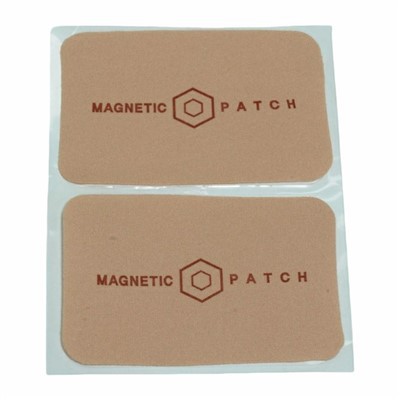
So that’s the breakdown: allergies to medical dressings are real, but they’re preventable with the right products and care. Don’t let a bad experience with a cheap dressing scare you away from using the right one. And if you’re looking for a supplier that actually cares about your skin and your patients, hit us up to talk through your requirements. We’re here to make healing easier, not more frustrating.
Medical Dressings References:
- American Academy of Dermatology. (2022). Contact Dermatitis: Allergic vs. Irritant. Retrieved from AAD official clinical guidelines
- World Health Organization. (2021). Global Guidelines for Medical Device Allergen Reduction. WHO technical report series
- International Society of Wound Care. (2023). Hypoallergenic Wound Dressings: A Systematic Review of Clinical Trials. ISWC peer-reviewed journal
Shenzhen Omori Biological Technology Co., Ltd.
We’re well-known as one of the leading medical dressings manufacturers and suppliers in China. We warmly welcome you to wholesale high quality medical dressings made in China here from our factory. If you have any enquiry about customized service, please feel free to email us.
Address: Floor4, No43, Langkou Industrial park, Dalang Street, Longhua District, Shenzhen City, Guangdong Province, China
E-mail: wya@omorimed.com
WebSite: https://www.omorimed.com/
